


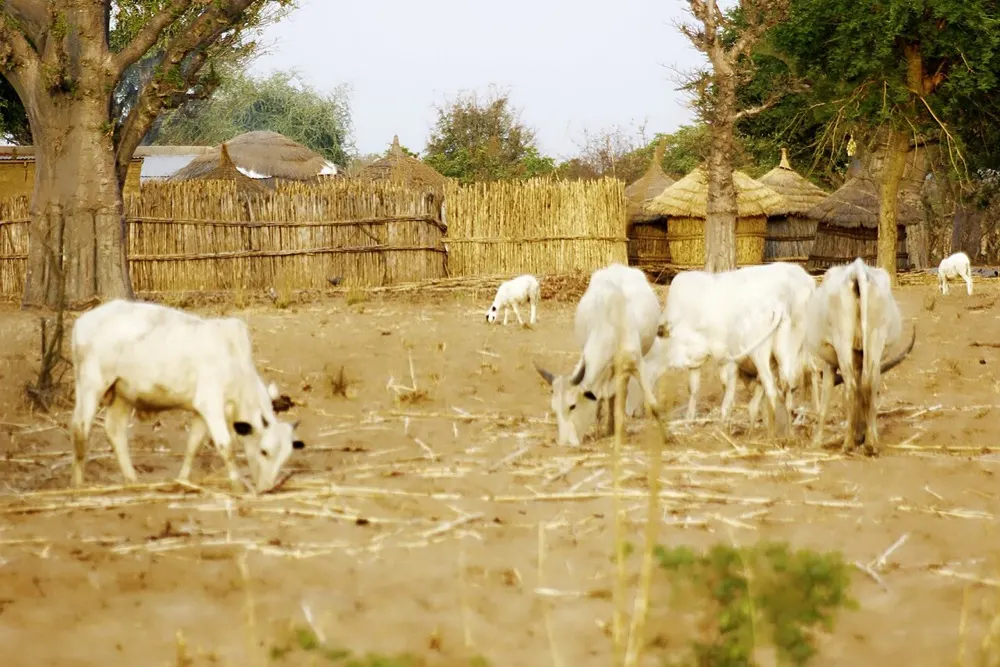
ENUGU — Authorities and economic stakeholders in Enugu expanded efforts to stabilise food supplies as the COVID-19 pandemic disrupted markets, transportation and distribution networks. Stakeholders said maintaining access to essential food items had become increasingly important as restrictions on movement and commercial activities affected normal supply chains.
The disruption was creating difficulties for farmers, traders, transport operators and consumers. Movement restrictions affected the transportation of agricultural produce from farms to markets, while reduced trading activity made it harder for some businesses to maintain normal operations.
Stakeholders said food supply measures needed to address both availability and affordability. Disruptions to transportation and distribution could increase costs, placing additional pressure on households already dealing with reduced incomes and other economic difficulties caused by the pandemic.
Farmers were encouraged to maintain production where possible. Stakeholders said agricultural activities needed to continue because interruptions in production could create additional shortages in the months ahead. They called for practical arrangements that would allow farmers and essential agricultural workers to operate while observing public-health requirements.
Transportation was another major concern. Agricultural products often travelled between rural production areas and urban markets, making reliable transport essential to food distribution. Stakeholders called for clear procedures that would allow essential food transportation to continue safely during movement restrictions.
Market operators were also adjusting to new conditions. Traders were encouraged to observe hygiene measures, reduce unnecessary crowding and follow directives issued by relevant authorities. Stakeholders said organised markets would be important in maintaining access to food while reducing health risks.
Small traders faced particular financial pressure. Many depended on daily sales and had limited resources to absorb higher transportation costs or reduced customer traffic. Stakeholders called for support measures that could help traders maintain operations and keep essential goods moving.
Consumers were also adapting to the changing environment. Some households reduced the frequency of market visits and purchased larger quantities of essential items when possible. Stakeholders urged residents to avoid unnecessary panic buying, warning that excessive hoarding could place additional pressure on supplies and prices.
The pandemic highlighted the importance of local production and stronger supply chains. Stakeholders said greater investment in agriculture, storage facilities and local processing could reduce dependence on long and vulnerable distribution networks.
Storage was identified as another area requiring attention. Better storage facilities could reduce losses of agricultural produce and help maintain supplies when transportation or market activity was disrupted. Stakeholders said investment in storage would provide longer-term benefits beyond the immediate crisis.
Authorities were also encouraged to maintain communication with farmers, traders and community leaders. Regular information about movement rules, market operations and available support programmes could help economic actors plan their activities more effectively.
As attention shifted towards implementation, stakeholders in Enugu called for practical measures to protect food supply chains while supporting the people involved in production and distribution. They said cooperation among authorities, farmers, traders, transport operators and communities would be essential to maintaining stable supplies.
The COVID-19 pandemic had exposed vulnerabilities in food distribution systems, but stakeholders maintained that the disruption could also encourage improvements in local agricultural production and supply-chain management. They urged authorities to use the experience to build a more resilient food system capable of supporting households during future emergencies.