


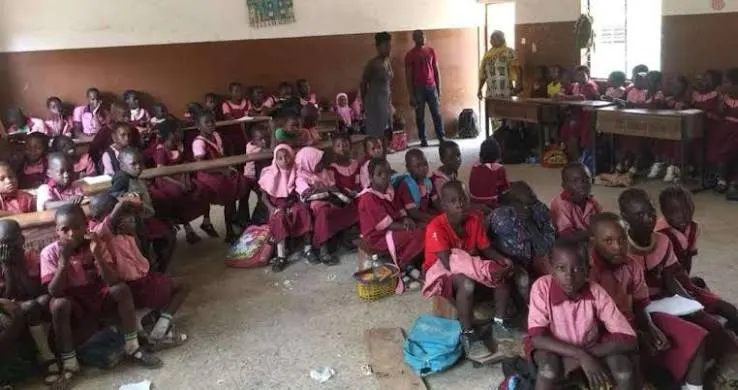
BENIN CITY — Education stakeholders in Benin City reviewed infrastructure projects as the COVID-19 pandemic disrupted school activities and created new challenges for the education sector. The closure of schools and restrictions on movement affected construction, maintenance and other activities connected to the development of educational facilities.
Stakeholders said education infrastructure remained important despite the disruption. They maintained that classrooms, laboratories, libraries, sanitation facilities and other school infrastructure would be needed when schools eventually resumed normal activities.
The pandemic had also created new demands on schools. Social distancing and hygiene requirements were expected to influence how classrooms and other facilities were organised when students returned. Stakeholders said infrastructure planning would therefore need to consider health and safety requirements alongside existing educational needs.
Construction and maintenance activities faced difficulties because restrictions on movement affected the availability of workers, materials and transportation. Stakeholders said delays could increase project costs and extend completion timelines if the disruption continued.
Education officials were encouraged to review ongoing projects and identify those that required urgent attention. Stakeholders said prioritising essential facilities could help ensure that limited resources were directed towards projects with the greatest benefit to students and teachers.
The closure of schools also increased interest in remote learning. Students and teachers were turning to digital platforms and other communication methods to maintain educational activities. Stakeholders said improved internet access and access to suitable devices would become increasingly important components of education infrastructure.
However, many households faced difficulties accessing digital learning resources. Some students lacked reliable internet connections, smartphones or computers, while others could not regularly afford data. Stakeholders said infrastructure planning should therefore include both physical school facilities and measures that could improve digital access.
Sanitation infrastructure received particular attention during the health emergency. Stakeholders said schools would need adequate water supply, handwashing facilities and appropriate sanitation systems before large numbers of students could safely return.
Parents and community representatives called for clear communication about the status of education projects and plans for reopening schools. They said families needed reliable information about how authorities intended to protect students and teachers when academic activities resumed.
The disruption also highlighted the importance of maintaining school infrastructure during periods when facilities were not in regular use. Stakeholders said authorities should assess buildings and equipment to identify maintenance needs before schools reopened.
Education experts said the experience could influence future infrastructure planning. They encouraged authorities to consider flexible learning spaces, stronger sanitation facilities and better connectivity when designing or upgrading schools.
As attention shifted towards implementation, education stakeholders in Benin City called for practical reviews of infrastructure projects and clearer priorities. They said projects should support safe learning environments while responding to the changing demands created by the pandemic.
The COVID-19 outbreak had disrupted education activities across the country, but stakeholders maintained that the crisis also provided an opportunity to strengthen school infrastructure. They urged authorities to use the experience to develop safer, more resilient and better-equipped learning environments for students and teachers.