


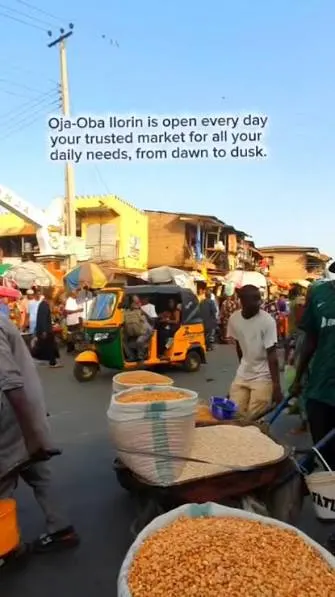
JOS — Community leaders and traders in Jos backed efforts to maintain and improve local markets as COVID-19 restrictions disrupted trading activities and affected the movement of people and goods. Stakeholders said practical measures were needed to keep markets functional while protecting traders and customers from the spread of the virus.
Local markets remained important sources of food, household goods and income for residents. However, restrictions on movement and public gatherings were affecting normal trading patterns and reducing customer traffic. Traders said the disruption was creating financial pressure for businesses already operating on limited margins.
Stakeholders said market renewal efforts should take public-health requirements into account. They called for better sanitation, organised stalls, controlled movement and measures to reduce unnecessary crowding within market areas.
Community leaders urged traders and customers to observe health guidance while carrying out essential transactions. They said maintaining hygiene and responsible behaviour would be important in allowing markets to remain open where permitted by relevant authorities.
The disruption was also affecting supply chains. Transport restrictions made it more difficult for some traders to obtain goods from other locations, while delays in transportation could increase prices and reduce the availability of certain products. Stakeholders called for practical arrangements that would allow essential supplies to continue moving safely.
Small traders and informal businesses were among those most affected. Many depended on daily sales to support their households and had limited financial reserves to withstand prolonged disruptions. Community representatives called for support measures that could help vulnerable traders manage the economic impact.
The market renewal discussions also focused on improving the organisation of trading spaces. Stakeholders said clearer allocation of stalls, better waste management and improved access routes could benefit both traders and customers when normal activity resumed.
Digital payment options were identified as another possible way of reducing physical contact during transactions. Some traders were already accepting transfers and other electronic payments, although stakeholders acknowledged that limited digital access and technical difficulties could prevent widespread adoption.
Residents were encouraged to plan market visits carefully and avoid unnecessary crowding. Stakeholders said shorter visits and adherence to market guidelines could help reduce health risks while allowing households to obtain essential goods.
The pandemic also highlighted the importance of stronger cooperation between market associations, local authorities and community leaders. Stakeholders said regular communication could help traders understand new regulations and allow authorities to respond more effectively to emerging problems.
Market renewal was seen as an opportunity to address longstanding issues beyond the immediate health emergency. Stakeholders said improvements in sanitation, infrastructure, organisation and safety could make local markets more resilient and efficient in the future.
As attention shifted towards implementation, community leaders and traders in Jos called for practical steps to support market operations while protecting public health. They said cooperation among traders, residents and authorities would be essential to maintaining access to essential goods during the disruption.
The COVID-19 pandemic had placed significant pressure on local commerce, but stakeholders maintained that well-organised markets could continue serving communities where appropriate safety measures were observed. They expressed hope that the crisis would also encourage lasting improvements in the organisation and management of local markets.