


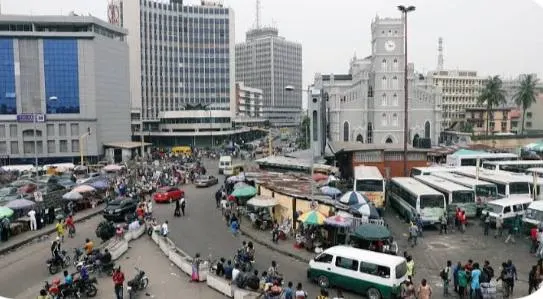
Nigeria continued to experience sustained inflationary pressure in early 2021 as rising food prices and broader economic challenges pushed the cost of living higher across the country. The prices of essential commodities including rice, bread, cooking oil and other staple food items increased in several markets, placing additional financial strain on households already recovering from the economic impact of the COVID-19 pandemic. Economists attributed the persistent inflation to a combination of supply chain disruptions, insecurity affecting agricultural production in key farming communities, exchange rate pressures and rising transportation costs. They observed that reduced farm output and logistical difficulties contributed to shortages in food supply, further driving up market prices nationwide. The increasing cost of living became a major concern for consumers, businesses and policymakers as purchasing power declined and household budgets came under greater pressure. In response, government authorities announced ongoing efforts to improve food production, strengthen distribution networks and implement policies aimed at stabilising commodity prices. Officials emphasized the importance of supporting local agriculture, improving infrastructure and addressing supply bottlenecks to increase food availability and reduce inflationary pressures over time. Analysts argued that achieving sustainable price stability would require coordinated fiscal and monetary policies, stronger investment in agriculture and continued economic reforms capable of improving productivity across key sectors. Stakeholders expressed hope that the combined policy measures would gradually moderate inflation, strengthen food security and improve living conditions as Nigeria's economic recovery gathered momentum.
Rising Inflation Continues to Increase Cost of Living Across Nigeria
16,339
Views