


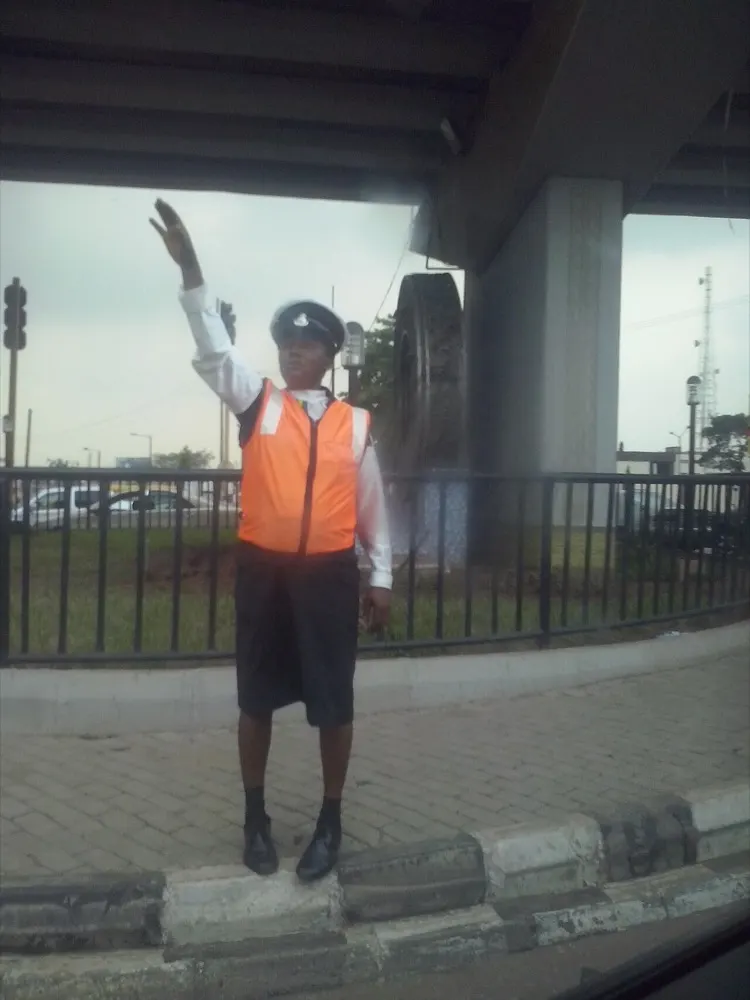
ABEOKUTA — Transport stakeholders in Abeokuta reviewed measures for managing congestion as restrictions introduced to contain the spread of COVID-19 began altering traffic patterns and passenger movement. The changes were affecting commuters, commercial transport operators and businesses that depended on the regular movement of people and goods.
Stakeholders said the unusual reduction in normal movement presented both challenges and opportunities for transport management. While fewer commuters could ease congestion on some routes, restrictions and changes in travel patterns could also create difficulties at transport terminals and other points where essential passengers continued to gather.
Transport operators were urged to comply with official directives while maintaining essential services. Stakeholders said drivers and transport unions needed clear information about permitted operations, passenger limits and other requirements as authorities adjusted measures in response to the developing health situation.
Commuters were also encouraged to limit travel to essential activities where possible. Community leaders said unnecessary movement could increase health risks and urged residents to follow public-health guidance while planning their journeys.
The disruption was creating financial difficulties for commercial transport operators. Reduced passenger numbers meant lower earnings for many drivers and transport workers, while vehicle maintenance and operating expenses continued. Stakeholders called for practical support for operators whose livelihoods were being affected by the restrictions.
Businesses were similarly affected by changes in movement. Markets, shops and other commercial establishments depended on customers and workers being able to travel. Economic stakeholders said transport planning needed to consider the wider effect that restrictions could have on local commerce and household incomes.
Public-health precautions became an important part of the congestion discussion. Stakeholders urged operators and passengers to observe hygiene measures and avoid overcrowding at terminals and loading points. They said transport managers would need to monitor passenger movement and adjust arrangements where necessary.
The situation also highlighted the importance of coordination between transport authorities, security agencies and transport unions. Stakeholders said inconsistent enforcement or unclear instructions could create confusion for drivers and passengers. Regular communication, they maintained, would help ensure that transport operations remained orderly.
Some stakeholders said the temporary changes in traffic patterns could provide useful information for longer-term transport planning. Reduced movement offered an opportunity to observe routes, bottlenecks and areas where infrastructure improvements might eventually be required once normal activity returned.
Residents also called for attention to roads and other transport infrastructure. They said congestion was not solely the result of passenger volume and could be worsened by poor road conditions, inadequate traffic management and delays at busy junctions. Stakeholders urged authorities to consider these factors in future planning.
The pandemic was also changing the way people viewed public transportation. Stakeholders said future planning would need to consider the ability of transport systems to respond to health emergencies while maintaining access to essential services.
As attention shifted towards implementation, stakeholders in Abeokuta called for cooperation among transport operators, authorities and commuters. They said responsible movement, clear communication and proper observance of health measures would help manage traffic and reduce unnecessary risks during the disruption.
The COVID-19 outbreak had temporarily changed normal movement across Abeokuta, but stakeholders maintained that lessons from the period could contribute to better transport planning. They urged authorities to use the experience to identify weaknesses and prepare measures that could improve congestion management when regular economic and social activity eventually resumed.