


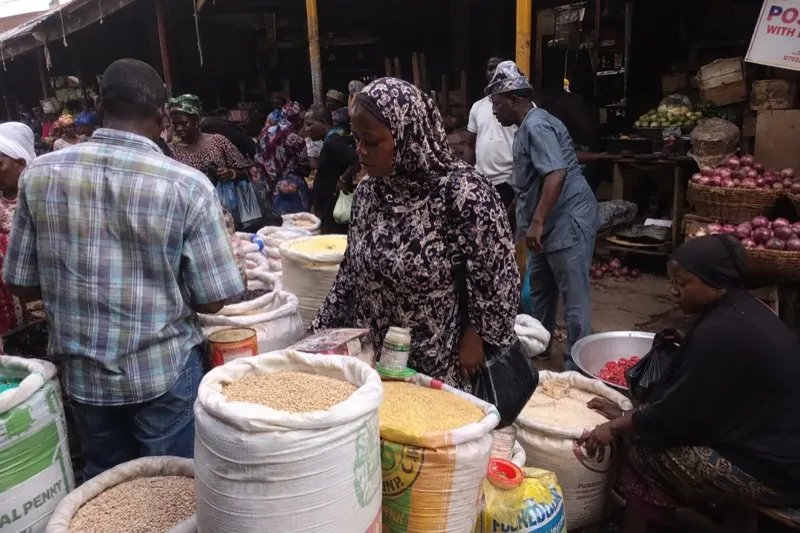
ILORIN — Authorities and economic stakeholders in Ilorin reviewed measures to stabilise food supplies as rising prices and distribution challenges continued to put pressure on households and businesses. Residents and industry representatives called for practical steps to improve the availability and affordability of essential food items.
Food prices have remained a major concern for households as higher transportation, production and distribution costs affect the prices paid by consumers. Stakeholders said sustained pressure on household budgets could reduce the ability of families to afford adequate food and other basic necessities.
The situation has also affected traders and small businesses. Market operators face higher costs when transporting goods from farms and wholesale markets to retail outlets. Some businesses have had to adjust their prices to cover increased operating expenses while trying to retain customers.
Stakeholders said strengthening local agricultural production could help improve food security and reduce some pressures on supply. Farmers need access to affordable inputs, financing, storage facilities and reliable transportation to move their produce efficiently to markets.
Transportation was identified as a particularly important part of the food supply chain. Poor roads, higher fuel costs and other logistical challenges can increase the final price of agricultural products. Stakeholders urged authorities to improve transportation networks and address bottlenecks affecting the movement of food.
Storage was another area of concern. Inadequate storage facilities can lead to significant losses, particularly for perishable agricultural products. Stakeholders said investment in modern storage facilities could help preserve food, reduce waste and improve the stability of supplies between harvest periods.
Market operators also called for better coordination between producers, distributors and retailers. They said clearer information about supply levels and market conditions could help businesses plan purchases and reduce unnecessary disruptions.
Consumers have also been adjusting their spending patterns. Some households have reduced purchases of more expensive food items or switched to cheaper alternatives. Residents said continued increases could make it increasingly difficult for families to maintain balanced diets.
Stakeholders said support for vulnerable households should form part of broader efforts to address food insecurity. They called for targeted interventions that could assist households facing the greatest financial pressure without creating additional distortions in local markets.
The role of local farmers was also emphasised. Stakeholders said stronger connections between farmers and urban markets could create more reliable supply channels while providing producers with better access to consumers. Improved market information could also help farmers make decisions about production and pricing.
Food processors were encouraged to expand local value addition. Processing agricultural products within the region could extend shelf life, reduce losses and create employment opportunities while strengthening local supply chains.
Residents urged authorities to communicate clearly about measures being introduced to address food supply challenges. They said transparent information would help businesses and households understand available support and prepare for changes in market conditions.
As attention shifted towards implementation, stakeholders in Ilorin called for practical measures covering agricultural production, transportation, storage and market distribution. They said coordinated action would be necessary to improve food availability and reduce pressure on consumers.
The discussions highlighted the importance of building a more resilient food supply system. Stakeholders expressed hope that stronger support for producers and improvements in distribution infrastructure would help Ilorin respond to current economic pressures while preparing for future challenges.