


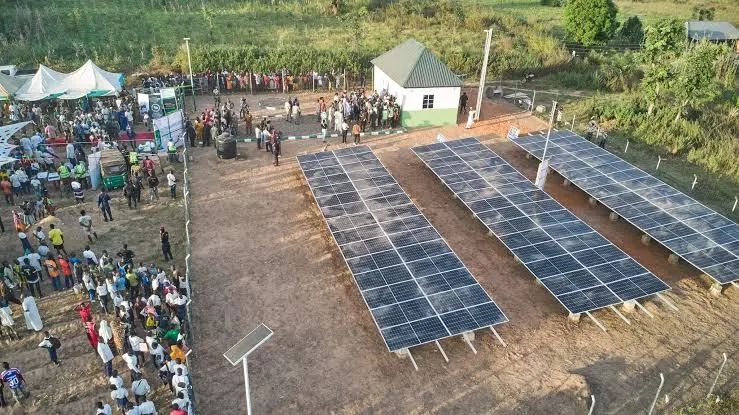
DAMATURU — The Federal Government has launched a 13.92-megawatt solar mini-grid project in Yobe State as part of efforts to expand electricity access and support economic activities in communities with limited access to reliable power. The project was among developments reported in Nigeria on August 5, 2026, as the government continued to pursue alternative energy solutions alongside efforts to improve the national electricity system. The solar mini-grid is designed to provide electricity to communities that have faced limitations in access to conventional grid power. Renewable-energy projects of this type can help households, businesses, schools, health facilities and other public institutions obtain more dependable electricity without waiting for the expansion of conventional transmission and distribution infrastructure. The initiative is also significant for small businesses that depend on electricity to operate equipment, preserve goods and provide services. Reliable power can reduce the amount businesses spend on alternative sources such as petrol and diesel generators, although the actual savings will depend on tariffs, operating costs and the reliability of the new system. Yobe is one of the Nigerian states where solar power has significant potential because of its high levels of sunlight. The deployment of solar infrastructure therefore forms part of a broader strategy to use renewable energy to improve electricity access in areas where extending the national grid can be difficult or expensive. The Federal Government has increasingly promoted mini-grids and other distributed-energy systems as a way of complementing the national electricity network. Unlike large power stations that depend on extensive transmission infrastructure, mini-grids can supply defined communities or groups of users through smaller local networks. The project also comes as Nigeria continues to face electricity-supply challenges. Unreliable power has long affected households and businesses, contributing to higher operating costs and limiting productivity. For manufacturers and small enterprises, electricity shortages can increase dependence on generators and make production more expensive. In rural and underserved communities, inadequate electricity can also affect education, healthcare and access to digital services. A functioning solar mini-grid can therefore have effects beyond household lighting. It can support refrigeration, water pumping, communications, information technology and other activities that require dependable electricity. The success of the Yobe project will depend on the quality of installation, maintenance, management and the sustainability of its financing model. Solar equipment also requires regular maintenance and eventual replacement of components as they reach the end of their operating lives. Government agencies and local stakeholders will therefore need to ensure that the infrastructure remains operational after commissioning. The project is part of the wider national effort to diversify Nigeria's electricity sources and increase the role of renewable energy in the country's power mix. Solar projects have become increasingly important as Nigeria seeks solutions to persistent power shortages and the high cost of diesel and petrol-powered generation. For communities in Yobe, the immediate priority will be translating the new infrastructure into dependable electricity and productive economic activity. If properly maintained and effectively managed, the mini-grid could provide a more stable power supply for residents and businesses while contributing to the state's broader development.
FG Launches 13.92MW Solar Mini-Grid Project in Yobe
0
Views