


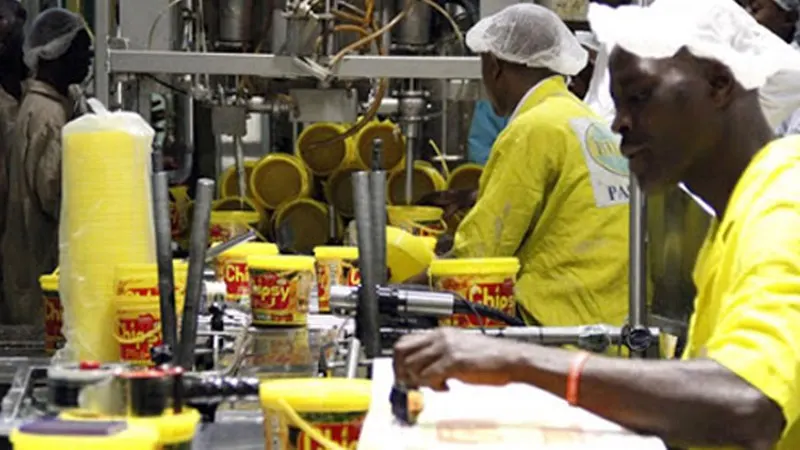
LAGOS — Nigeria's manufacturing sector recorded stronger business activity in July, with output and new orders improving during the month, according to the latest purchasing managers' data reported by Nigerian business news outlets. The improvement points to a gradual strengthening of industrial activity as manufacturers respond to changing economic conditions and demand. Manufacturing remains an important part of Nigeria's effort to diversify its economy away from excessive dependence on crude oil. The sector supports employment, domestic production and supply chains spanning agriculture, transportation, logistics and retail. An improvement in new orders is therefore significant because it indicates stronger demand for locally produced goods. Higher orders can encourage manufacturers to increase production, retain workers and purchase additional raw materials. However, manufacturers continue to operate under significant cost pressures. Energy expenses, transportation costs, imported inputs and foreign-exchange movements can all affect the cost of production in Nigeria. Many factories also rely partly on private power generation because of limitations in the national electricity supply. Changes in diesel prices and other energy costs can therefore have a direct effect on manufacturing margins. The July improvement comes as businesses continue to adjust to the economic reforms introduced by the Federal Government and the Central Bank of Nigeria. Changes in foreign-exchange policy and efforts to improve market liquidity have affected companies that depend on imported machinery, components and raw materials. Manufacturers have repeatedly called for policies that provide greater stability in the operating environment. Predictable access to foreign exchange, reliable electricity and efficient transportation are among the conditions businesses say are necessary for sustained industrial growth. The improvement in manufacturing activity is also relevant to employment. A sustained increase in production can support existing jobs and create additional demand for workers as companies expand capacity. It can also benefit smaller businesses that supply manufacturers with packaging, transportation, maintenance and other services. Despite the positive signals, one month of stronger activity does not necessarily indicate a permanent turnaround. Manufacturing performance can change quickly in response to consumer demand, inflation, exchange-rate movements and production costs. Businesses therefore continue to monitor economic conditions closely before making major investment decisions. The sector's longer-term performance will depend on whether stronger demand can be maintained and whether production costs become more manageable. Increased local production could also reduce Nigeria's reliance on imported goods and strengthen domestic supply chains. Government policies aimed at supporting local manufacturing have included initiatives encouraging domestic production and investment in industrial capacity. Manufacturers have also sought stronger implementation of these policies and better infrastructure to make Nigerian products more competitive. The July figures provide an encouraging signal for the sector, but industry stakeholders are likely to focus on whether the improvement continues through subsequent months. Sustained growth would strengthen the contribution of manufacturing to employment, tax revenue and economic diversification. For now, the latest data suggest that Nigerian manufacturers entered August with stronger levels of business activity than they recorded at the beginning of the previous month, even as significant operating challenges remain.
Nigeria's Manufacturing Sector Records Stronger Growth in July
0
Views