


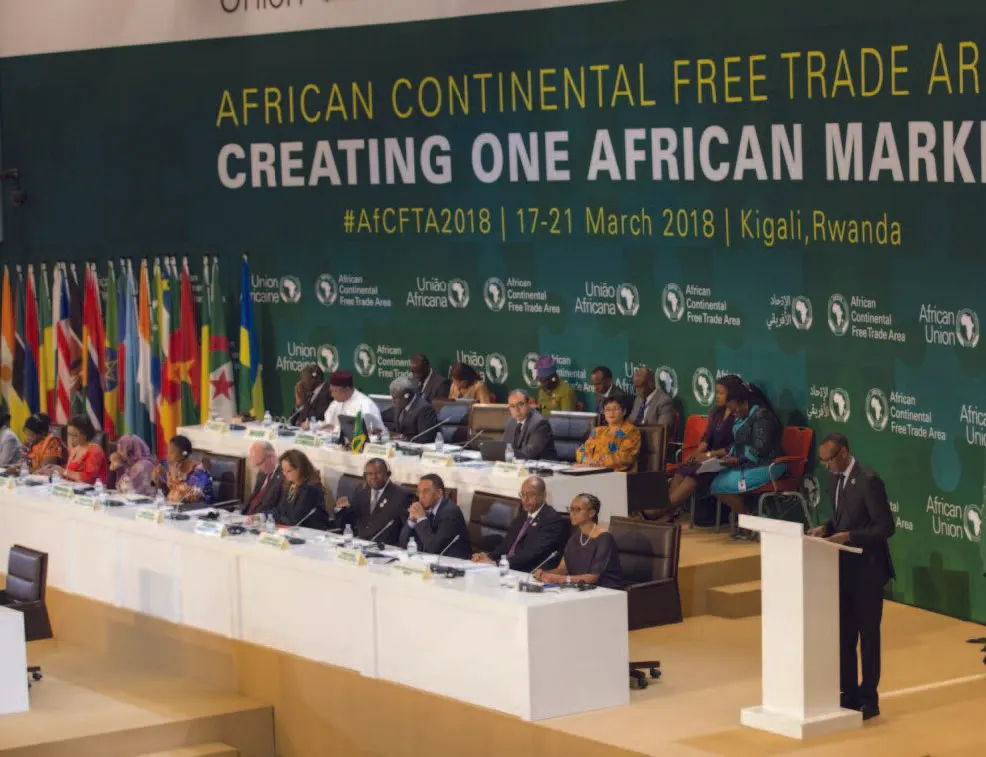
ADDIS ABABA — African leaders and regional officials have renewed calls for stronger implementation of the African Continental Free Trade Area as countries across the continent seek to increase trade among themselves and reduce dependence on external markets. The discussions have focused on removing barriers that continue to make cross-border commerce difficult and creating conditions that allow businesses to take greater advantage of Africa's combined market. The African Continental Free Trade Area is intended to create one of the world's largest single markets by bringing together economies across the continent. Its long-term objective is to increase trade among African countries, encourage investment and support industrial development. Supporters argue that stronger intra-African trade could help countries diversify their economies and reduce dependence on the export of raw commodities. Despite the potential benefits, trade between African countries remains constrained by several practical challenges. Differences in customs procedures, regulations and standards can make it difficult for businesses to move goods across borders. Poor transport infrastructure and high logistics costs can also make regional trade more expensive than importing goods from outside the continent. Small and medium-sized businesses are particularly affected because they often have fewer resources to navigate complex cross-border procedures. African governments have therefore continued to discuss ways of simplifying customs processes and improving trade infrastructure. Digital systems are also increasingly being used to reduce paperwork and improve the movement of goods. Faster customs clearance can lower costs for businesses and make regional markets more attractive to producers. Improved roads, railways, ports and border facilities are equally important to achieving the objectives of the continental trade agreement. Manufacturing is another major area of focus. African economies have historically relied heavily on exports of oil, minerals and agricultural commodities, leaving many countries vulnerable to fluctuations in global commodity prices. Expanding manufacturing and processing capacity could allow countries to capture more value from their natural resources and create additional employment. Regional trade can support this process by giving manufacturers access to a larger customer base. For Nigeria and other large African economies, the continental market offers opportunities to expand exports of locally produced goods. Nigerian businesses already trade across West Africa, but regulatory and logistical challenges can limit the scale of cross-border commerce. Stronger implementation of the trade agreement could provide opportunities for Nigerian manufacturers, agricultural processors and service providers to reach customers in other African markets. However, businesses will require competitive production costs and reliable infrastructure to take advantage of those opportunities. The agreement also places emphasis on reducing restrictions on services and investment. Expanding trade in financial services, technology, telecommunications and professional services could create additional opportunities for African companies. Digital businesses in particular can reach customers across borders without the same physical infrastructure requirements as traditional manufacturers, although differences in national regulations remain a challenge. The renewed focus on implementation comes as African governments face pressure to create jobs and strengthen economic resilience. Africa's growing population provides a potentially large consumer market, but governments must ensure that businesses can produce goods and services competitively enough to meet that demand. Greater regional integration could contribute to this objective by encouraging investment and creating larger markets for African companies. The success of the continental trade project will ultimately depend on implementation at national and regional levels. Governments need to align policies, improve border procedures and invest in infrastructure while businesses need to develop products and services that can compete across different markets. Continued political commitment will also be necessary to overcome disagreements that may arise during implementation. The renewed calls from African leaders therefore underline the importance of turning the principles of continental free trade into practical benefits for businesses and consumers. If trade barriers are gradually reduced and infrastructure improves, stronger intra-African commerce could support industrialisation, investment and job creation across the continent. For Nigeria and other major African economies, the expanding regional market presents an opportunity to strengthen domestic production while building stronger economic links with neighbouring countries.
African Leaders Renew Push for Stronger Continental Trade Cooperation
0
Views