


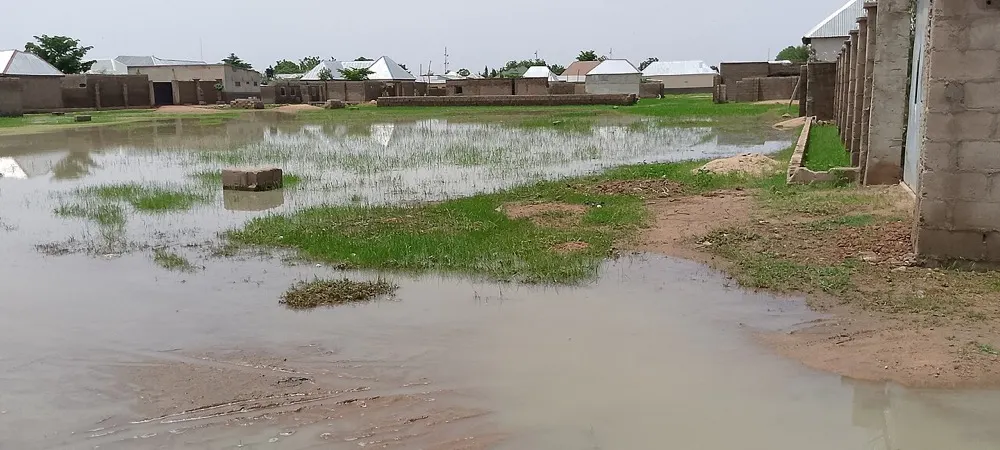
ABIDJAN — Africa could face economic losses of between $10 billion and $20 billion from an expected severe El Nino event, according to Anthony Nyong, the African Development Bank's climate chief. The warning comes as countries across the continent prepare for the potential effects of a weather pattern that could produce widespread droughts, floods and storms, placing additional pressure on food production, water supplies and public finances. El Nino is a climate pattern associated with unusually warm ocean temperatures in the central and eastern tropical Pacific. Its effects can extend far beyond the Pacific region, altering rainfall and temperature patterns in different parts of the world. For Africa, the consequences can vary between regions, with some areas experiencing severe drought while others face heavier rainfall and flooding. Nyong said the projected economic impact could be significant because many African economies remain heavily dependent on agriculture and are vulnerable to extreme weather. Farmers can lose crops and livestock when droughts reduce water availability, while floods can destroy farms, roads, homes and other infrastructure. The resulting disruption can increase food prices and place additional pressure on governments already dealing with limited fiscal resources. Africa experienced a major El Nino-related shock during 2023 and 2024, when drought and other extreme weather events caused substantial agricultural losses in several countries. Farmers lost income and food prices increased in affected markets. The African Development Bank has warned that another severe event could compound those existing pressures if governments and communities are not adequately prepared. Nigeria is among the African countries that could experience significant consequences from changing weather conditions. Agriculture remains an important source of employment and income for millions of Nigerians, particularly in rural communities. Disruptions to rainfall patterns can affect planting seasons, crop yields and livestock production, with potential consequences for food prices and household incomes. Other parts of Africa face different risks. Countries already affected by conflict and displacement may find it particularly difficult to respond to drought or flooding because their public institutions and infrastructure are under additional strain. Sudan and the Democratic Republic of Congo are among the countries identified as potentially vulnerable to the combined effects of climate shocks and existing humanitarian pressures. Severe weather can also affect government finances. Authorities may have to redirect funds toward emergency food assistance, rebuilding damaged roads and public facilities, supporting farmers and responding to displacement. Banks and businesses can also be affected when agricultural borrowers are unable to repay loans following crop failures. The economic consequences can therefore extend well beyond the immediate damage caused by a storm or drought. The African Development Bank is preparing for the possibility of greater demand for climate financing and adaptation support. Nyong said African countries could require substantial additional resources to deal with climate-related pressures and strengthen resilience. International climate funds and development partners are expected to play an important role because many vulnerable countries have limited domestic resources for large-scale adaptation projects. Preparing before extreme weather occurs can reduce the eventual cost of disasters. Measures such as improving irrigation systems, strengthening flood defences, protecting water supplies, developing climate-resilient crops and improving early-warning systems can help communities respond more effectively. Better weather forecasting can also allow farmers and governments to make decisions before conditions deteriorate. The potential economic impact of the next El Nino therefore highlights the importance of investing in resilience rather than relying solely on emergency responses after disasters occur. For African countries, this is particularly important because climate shocks can undermine development gains and increase poverty when communities lose homes, crops and sources of income. The African Development Bank's warning provides an early indication of the scale of the challenge governments could face if the forecast severe weather pattern develops. With adequate preparation, some of the potential losses can be reduced, but governments will need resources and coordination to protect vulnerable communities. The coming months will therefore be important for strengthening early-warning systems, supporting farmers and preparing infrastructure for extreme weather. For a continent already facing economic and humanitarian pressures, limiting the impact of another major climate shock will require both domestic action and international financial support.
Africa Could Face Up to $20 Billion Economic Loss From El Nino, AfDB Warns
0
Views