


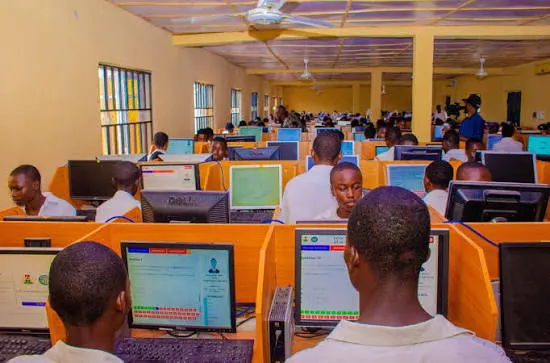
ABUJA — Nigeria's education authorities are continuing efforts to expand digital learning and improve access to technology in schools as the country seeks to modernise teaching and provide students with wider access to educational resources. Digital education has become increasingly important as schools and universities adopt online resources, electronic learning platforms and other technology-based tools. The push is also intended to address disparities in access to learning materials between urban and rural communities. Education technology can give students access to textbooks, recorded lessons, academic databases and other resources that may not be available in their immediate communities. For teachers, digital tools can provide additional materials for lesson preparation and professional development. However, the effectiveness of digital learning depends heavily on access to electricity, internet connectivity, affordable devices and trained teachers. These remain significant challenges in many parts of Nigeria. Rural schools in particular can struggle with unreliable electricity and limited telecommunications coverage, making it difficult to use online learning platforms consistently. The government has therefore faced pressure to improve basic infrastructure alongside the introduction of digital education programmes. Expanding broadband access is an important part of the process. Students cannot benefit fully from online resources when internet connections are unreliable or too expensive for families to afford. Public investment and partnerships with telecommunications companies can help improve connectivity, particularly in underserved communities. Schools also need appropriate equipment. Computers, tablets, projectors and other devices can support digital instruction, but maintaining those devices requires funding and technical support. Schools that receive equipment without adequate maintenance arrangements may find that the technology becomes unusable after a relatively short period. Teacher training is another important consideration. Technology cannot automatically improve education if teachers are not comfortable using digital tools in the classroom. Training programmes can help teachers integrate online resources into lessons and use technology to assess student performance. Digital literacy can also help students develop skills that will be useful in higher education and the workplace. Nigeria's large youth population makes these skills increasingly important. Employers across many sectors are seeking workers who can use digital tools, analyse information and communicate effectively through technology. Improving digital education can therefore contribute to both academic outcomes and future employability. The government has also explored ways to use digital platforms to support students who cannot attend traditional classrooms. This can be particularly useful during emergencies that disrupt schooling, including insecurity, natural disasters or public-health crises. Online and broadcast learning systems can provide continuity when physical schools are temporarily unavailable. However, digital education cannot replace the need for safe and adequately staffed physical schools. Many students benefit from direct interaction with teachers and classmates, while younger children in particular may require supervision that online learning cannot easily provide. Digital tools are therefore most effective when they complement rather than completely replace classroom teaching. Affordability remains another challenge. Families with limited incomes may struggle to purchase smartphones, computers or data subscriptions. If digital learning expands without addressing this gap, existing inequalities could become wider because wealthier students would have greater access to educational technology. Government programmes therefore need to consider how devices and connectivity can be made available to disadvantaged students. The expansion of digital learning also raises questions about online safety and responsible use of technology. Students need guidance on protecting personal information, identifying unreliable information and avoiding harmful online content. Teachers and parents have important roles to play in developing those skills. Education authorities must also ensure that digital platforms used by schools meet appropriate privacy and security standards. Despite the challenges, technology offers significant opportunities for Nigeria's education system. Digital resources can expand access to knowledge, support teachers and allow students to learn beyond the limits of traditional textbooks. The benefits are likely to be greatest when technology investment is combined with improvements in electricity, internet access, teacher training and school infrastructure. Nigeria's continued investment in digital learning therefore represents part of a broader effort to modernise education and prepare students for an increasingly technology-driven economy. The success of the strategy will depend not simply on providing devices but on ensuring that schools have the infrastructure, teachers and support systems required to use them effectively.
Nigeria Moves to Expand Digital Learning as Schools Seek Better Access to Technology
0
Views