


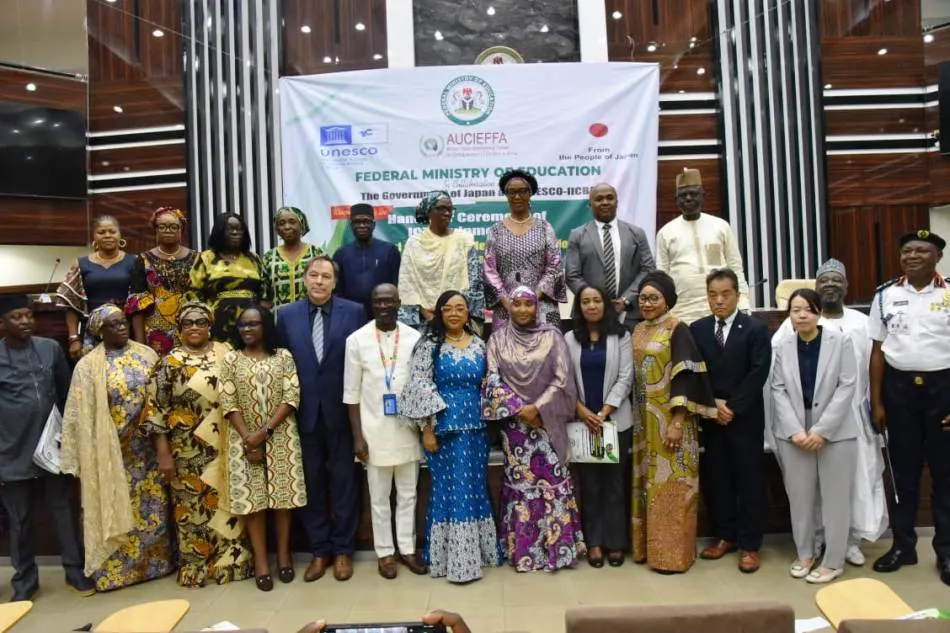
ABUJA — The Federal Government has partnered with UNESCO and the African Union to launch a mobile-learning initiative aimed at strengthening the professional development of teachers and school leaders across Africa. The programme, which was unveiled in Abuja on July 20, is designed to use mobile technology to make teacher training more accessible, particularly for women educators who may face barriers to conventional professional-development opportunities. The initiative is being implemented through the UNESCO International Institute for Capacity Building in Africa and the Pan African University under the Pan-African Virtual and Electronic University initiative. A three-day master training programme is scheduled to run from July 21 to July 23, bringing together education professionals to develop skills in the use of mobile-based learning tools. The programme is intended to support teachers in improving their classroom practice and adapting to the growing role of digital technology in education. Mobile learning has become increasingly important across Africa because mobile phones are often more accessible than computers and conventional learning facilities. In communities where schools have limited infrastructure or internet access, mobile technology can provide teachers with educational materials and opportunities for professional development without requiring them to travel long distances. The initiative's emphasis on female teachers is also significant because women make up a large proportion of the teaching workforce in many African countries. Providing them with flexible learning opportunities can help educators participate in training while managing professional and personal responsibilities. Organisers said the programme would expose teachers and school leaders to innovative approaches that can improve the quality of education. Digital learning can support teachers with lesson materials, professional resources and opportunities to exchange knowledge with colleagues. It can also help education authorities provide consistent training to teachers working in different locations. Nigeria faces major challenges in providing quality education to its large and rapidly growing population. The country has millions of pupils and students spread across urban and rural communities, creating significant demand for qualified teachers and adequate learning facilities. Teacher development is therefore an important part of efforts to improve educational outcomes. Technology alone, however, cannot solve the challenges facing schools. Reliable electricity, connectivity and access to appropriate devices remain necessary for digital learning to work effectively. Many schools, particularly in rural communities, continue to face infrastructure shortages. The mobile-learning initiative therefore forms part of a broader need to improve the digital foundations of African education systems. Another important issue is affordability. Teachers and students may have access to mobile phones but still struggle with the cost of data. Education programmes that rely on digital platforms must therefore consider how participants can access learning materials without facing prohibitive expenses. Public institutions and development partners can help address some of these barriers through subsidised access and targeted support. The programme also reflects a wider shift toward digital professional development. Traditional teacher-training programmes often require educators to travel to central locations and attend scheduled sessions. Mobile learning can provide greater flexibility by allowing participants to access materials from their schools or homes. This can reduce travel costs and make it easier for teachers in remote communities to participate. The involvement of UNESCO and the African Union gives the initiative a broader continental dimension. Education systems across Africa face different challenges, but many share concerns about teacher shortages, professional development, infrastructure and unequal access to educational resources. Regional cooperation can allow countries to exchange successful approaches and develop training programmes that can be adapted to local circumstances. The programme is also expected to contribute to the broader goals of improving digital literacy among educators. Teachers increasingly need to understand how to use technology not only for their own professional development but also in classroom instruction. Digital skills can help educators introduce students to online resources, research tools and other technologies that are becoming increasingly important in higher education and employment. For Nigeria, strengthening teachers is particularly important as the country seeks to improve learning outcomes and prepare young people for a changing economy. A well-trained teaching workforce can have an impact far beyond the classroom because teachers influence students' academic performance, digital skills and future career opportunities. The mobile-learning initiative therefore represents an investment in both teachers and the wider education system. Its long-term success will depend on sustained implementation, adequate funding and the ability to reach educators outside major urban centres. If those conditions are met, mobile technology could provide an effective way to expand professional development while reducing some of the geographical and logistical barriers that have traditionally limited teacher training. The launch in Abuja marks another step in efforts to modernise education through technology. By combining international cooperation with locally relevant teacher development, the programme aims to strengthen the capacity of educators and ultimately improve the quality of learning available to students across Nigeria and other African countries.
FG, UNESCO Launch Mobile Learning Initiative to Strengthen Teachers Across Africa
0
Views