


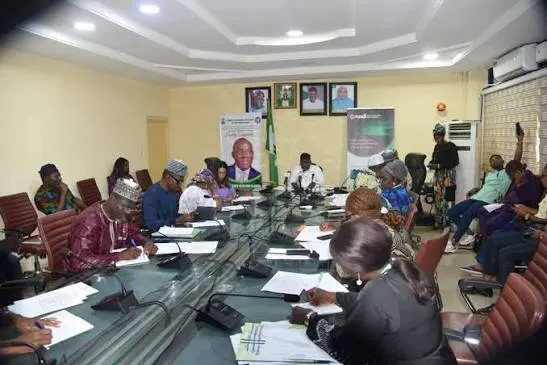
LAGOS — Education stakeholders have called for stronger collaboration between government and the private sector to address the financial, infrastructural and operational challenges facing Nigeria's education system. The call was made at the Nigeria Educational Supplies Summit 2026 in Lagos, where policymakers, education administrators, development partners and private-sector representatives discussed ways to improve the quality and sustainability of education in the country. Participants argued that government alone cannot meet the growing demands of Nigeria's education sector. With a large and rapidly expanding school-age population, the country requires sustained investment in classrooms, learning materials, technology, teacher training and other educational infrastructure. Greater participation by private organisations could help provide additional resources while supporting innovation within the sector. Teacher development was identified as another important priority. Teachers remain central to educational outcomes, and improvements in infrastructure or technology cannot produce lasting results without a sufficiently trained and supported workforce. Continuous professional development can help teachers improve their classroom methods and adapt to changes in technology and curriculum requirements. Technology was also highlighted as an important tool for improving access to education. Digital learning platforms can provide students and teachers with additional educational materials while helping schools overcome some geographical limitations. However, stakeholders noted that technology must be supported by reliable electricity, internet connectivity, appropriate devices and training. Without these basic requirements, digital education programmes may not reach the communities that need them most. Nigeria's education sector continues to face substantial infrastructure challenges. Some schools lack adequate classrooms, laboratories, libraries, sanitation facilities and other basic resources. In rural communities, the problems can be more severe because schools may also struggle to attract and retain qualified teachers. Addressing these disparities is important for ensuring that children have comparable opportunities regardless of where they live. Private-sector involvement could support government efforts in several areas, including the supply of educational materials, construction and rehabilitation of facilities, technology deployment and vocational training. Businesses can also contribute through partnerships with schools and universities that provide students with practical skills relevant to the labour market. Such partnerships can help reduce the gap between education and employment. The summit also highlighted the importance of innovation. Nigeria's education system must prepare students for an economy increasingly influenced by technology and changing workplace requirements. Digital literacy, technical skills, problem-solving and entrepreneurship are becoming increasingly important alongside traditional academic knowledge. Technical and vocational education can provide alternative pathways for young people who want to develop practical skills. Strengthening vocational education could also help address unemployment by equipping students with skills that are directly applicable to different industries. Funding remains one of the biggest obstacles. Public education budgets must compete with other government priorities, including healthcare, infrastructure and security. Private investment can supplement public funding, but stakeholders stressed the need for transparent and sustainable partnerships. Investors need clear regulations and accountability, while government must ensure that partnerships serve public educational objectives rather than creating additional inequalities. Access and affordability are particularly important concerns. Education reforms should benefit children from low-income households as well as those in more prosperous communities. If new technologies and high-quality learning opportunities are concentrated in private schools or wealthy urban areas, existing inequalities could become wider. Public policy must therefore ensure that disadvantaged students remain a central part of education planning. The summit's emphasis on collaboration reflects the scale of the challenge facing Nigeria. Improving education requires cooperation between federal and state governments, school administrators, teachers, parents, development organisations and businesses. Each group has a role to play in providing resources, improving teaching and ensuring that reforms are implemented effectively. Accountability will also be necessary. Education investments need to produce measurable improvements in learning outcomes, attendance, teacher performance and school infrastructure. Regular monitoring can help identify programmes that are working and areas that require additional support. For Nigeria's young population, the quality of education will have long-term consequences for employment, economic growth and national development. A stronger education system can help young people acquire the knowledge and skills required to participate productively in the economy. It can also support innovation and entrepreneurship by giving students the foundation needed to develop new ideas and businesses. The discussions at NESS 2026 therefore placed education investment within the broader context of Nigeria's development. Stakeholders called for a sustained approach rather than short-term interventions, arguing that improvements in education require consistent funding, effective policy and long-term commitment. Stronger public-private partnerships could provide additional resources, but they must be carefully designed and monitored to ensure that the benefits reach schools and students. As Nigeria continues to confront educational challenges, investment in teachers, infrastructure, technology and practical skills will remain essential. The summit's message was clear: improving the country's education system will require government leadership, private-sector participation and sustained cooperation across the education community.
Education Stakeholders Call for Greater Private Investment to Strengthen Nigerian Schools
0
Views