


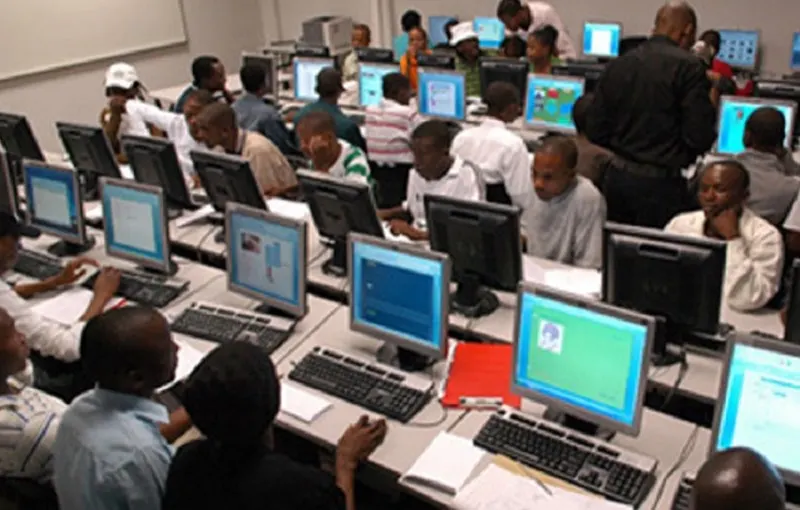
ABUJA — The Nigerian Communications Commission is consulting education and technology stakeholders on a framework designed to provide students with free access to selected educational platforms and digital learning content. The initiative is aimed at reducing the cost of internet access for students and helping more Nigerians benefit from online educational resources. Access to reliable internet has become increasingly important to education as schools, universities and training institutions incorporate digital materials into teaching and learning. However, the cost of data remains a barrier for many students, particularly those from low-income households. The proposed zero-rated access initiative would allow users to reach approved educational platforms without paying normal data charges. The approach is intended to encourage students to make greater use of online resources while reducing one of the financial barriers to digital education. The consultation involves stakeholders from the telecommunications, education and technology sectors. Participants are expected to examine how educational platforms can be identified, how access can be provided and how the system can be implemented without compromising network security or user privacy. Digital education can provide students with access to materials that may not be readily available in their schools. Online libraries, recorded lessons, examination preparation resources and interactive learning platforms can supplement classroom teaching. For students in areas where educational facilities are limited, digital resources can provide additional opportunities for learning. However, internet access alone cannot solve all of Nigeria's education challenges. Many communities continue to experience unreliable electricity, weak telecommunications coverage and shortages of digital devices. Students who do not have smartphones, computers or other suitable devices may still be unable to benefit fully from online education. The government and private-sector partners therefore face the broader challenge of improving digital infrastructure alongside affordability. Teachers also require training to use digital resources effectively. Providing free access to educational platforms is more useful when teachers can guide students toward reliable materials and incorporate them into lessons. Digital literacy programmes can help teachers and students develop the skills required to search for information, evaluate sources and use online tools responsibly. The initiative is also linked to broader efforts to improve learning outcomes through technology. Nigeria has a large young population and an expanding technology sector, making digital skills increasingly important for employment and economic participation. Students who gain access to online educational resources can develop skills in areas such as computing, science, mathematics, languages and entrepreneurship. The consultation process is important because telecommunications operators and education authorities must coordinate the technical requirements of the programme. Zero-rating educational services requires agreements on which platforms qualify and how traffic will be identified. The system must also prevent misuse while ensuring that legitimate educational content remains accessible. The initiative could also support students during periods when physical access to schools is disrupted. Online learning became particularly important during the COVID-19 pandemic, when school closures forced education systems to seek alternative ways of teaching. The experience demonstrated both the potential of digital education and the inequalities created when students lack reliable internet access. By reducing data costs, the proposed programme could make digital learning more accessible to a larger number of Nigerian students. Its success will depend on the range and quality of educational content available, the reliability of telecommunications networks and the ability of students to access suitable devices. Stakeholders will also need to monitor the programme to ensure that it achieves its educational objectives. Providing affordable digital access is an important part of modernising education, but it should complement rather than replace investment in teachers, classrooms, textbooks and other essential resources. Nigeria's effort to expand free access to educational platforms therefore represents one component of a broader digital education strategy. If effectively implemented, the initiative could help reduce the cost of online learning and give more students access to educational opportunities beyond the classroom.
Nigeria Pushes Free Educational Internet Access to Bridge Digital Learning Gap
0
Views