


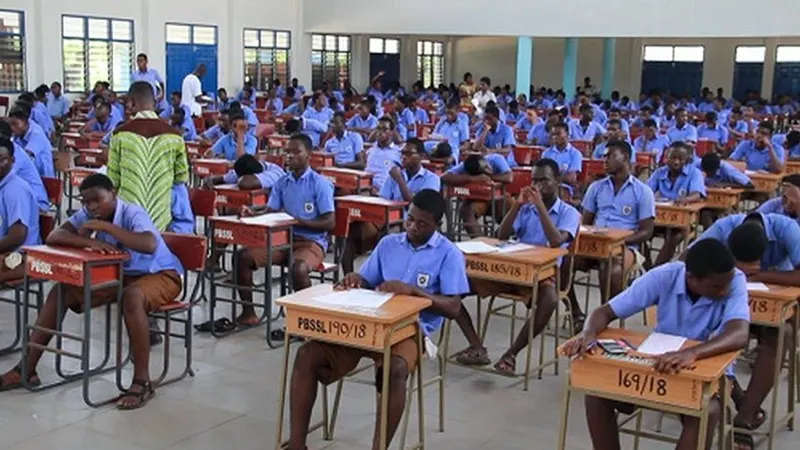
ABUJA — The Federal Government has suspended its proposed review of registration fees for the 2027 West African Senior School Certificate Examination and the National Examinations Council Senior School Certificate Examination. The Federal Ministry of Education announced the decision after concerns were raised by parents, students, education organisations and other members of the public over the proposed increase. The ministry said the letter communicating the fee adjustment, dated June 18, had been withdrawn to allow for a comprehensive review and broader consultations with relevant stakeholders. The proposed adjustment would have raised the registration fee to N50,000 per candidate, representing a substantial increase from the existing charge. The government said the review had initially been prompted by the rising cost of conducting credible national examinations. Examination bodies face increasing expenses in areas including logistics, security, printing, technology, quality assurance and the movement of examination materials across the country. Despite these challenges, the proposed increase generated considerable public concern because many Nigerian families are already struggling with the rising cost of education and household necessities. Parents and education stakeholders argued that a sharp increase in examination fees could place additional pressure on families and make secondary school certification more difficult for students from low-income households. The Federal Ministry of Education acknowledged the concerns and said the decision to suspend the proposal was intended to provide an opportunity for broader consultation. The ministry stressed that no adjustment would take effect until the consultation process had been completed and a final decision reached. The consultations are expected to involve examination bodies, state ministries of education, school proprietors and administrators, parents' associations, organised labour and other education stakeholders. The review highlights the continuing challenge of financing public examinations in Nigeria. WAEC and NECO examinations require extensive logistical arrangements because candidates are distributed across thousands of schools and examination centres. Security is also an important consideration, particularly in areas affected by insecurity. Examination materials must be transported and protected, while officials need to be deployed to centres throughout the country. Technology has also become increasingly important in the administration of examinations. Digital systems can improve registration, monitoring and examination management, but they require investment and maintenance. The cost of these services has increased alongside wider economic pressures. However, examination fees cannot be considered separately from the broader question of access to education. Secondary school students depend on WAEC and NECO certificates for admission to tertiary institutions, vocational training and employment opportunities. Making the examinations significantly more expensive could therefore have consequences beyond the immediate financial burden on families. The suspension gives the government an opportunity to examine alternatives. One possibility is to review the structure of examination financing and determine whether some costs can be reduced through improved efficiency or government support. Another is to consider targeted assistance for students from particularly vulnerable households. The government will also need to balance the financial needs of examination bodies with the principle of affordable access to education. The controversy demonstrates the importance of consultation before policies affecting millions of students and families are introduced. Education policies can have long-term consequences, particularly when they involve essential examinations. A transparent review process could help ensure that the eventual fee structure is financially sustainable while remaining accessible to students. For parents, the immediate suspension provides temporary relief and removes uncertainty over whether the higher fee would take effect as originally proposed. For WAEC and NECO, however, the financial pressures that prompted the review remain. The examination bodies will continue to face rising operational costs and will need to work with government and stakeholders to find sustainable solutions. The Federal Government's decision therefore represents a pause rather than the end of the debate. Further consultations will determine whether the proposed increase is revised, reduced or abandoned. The outcome will be closely watched by students, parents, teachers and education administrators across Nigeria.
FG Suspends Proposed WAEC, NECO Fee Increase After Public Concerns
0
Views