


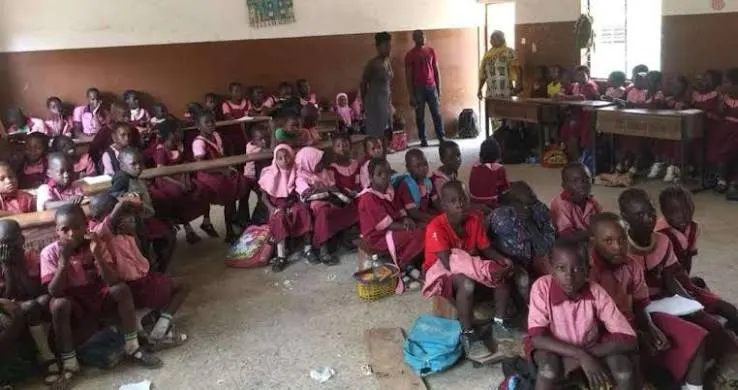
ABUJA — Education stakeholders have renewed calls for increased and more predictable funding for schools across Nigeria, arguing that sustained investment is necessary to improve infrastructure, teaching quality and learning outcomes. The call comes amid continuing concerns about overcrowded classrooms, inadequate facilities, shortages of learning materials and the difficulty many schools face in retaining qualified teachers. Stakeholders said education funding should not be viewed only as an annual budget item but as a long-term investment in the country's human capital. Nigeria has one of Africa's largest and youngest populations, making the quality of its education system particularly important to its future economic development. Basic education remains a major priority because children who receive strong foundational education are better prepared for secondary school, higher education and employment. However, many public schools still require improvements to classrooms, libraries, laboratories, toilets and water facilities. Poor infrastructure can affect attendance and create difficult conditions for both students and teachers. Teacher quality is equally important. Schools require sufficient numbers of qualified teachers who have access to professional development and appropriate teaching resources. Continuous training can help teachers adopt modern teaching methods and respond to changing educational needs. Digital technology is increasingly relevant to education, but access remains uneven. Some schools have reliable internet and computer facilities, while others lack electricity or basic equipment. Expanding digital access could provide students with additional learning resources, but technology investment must be accompanied by teacher training and reliable infrastructure. Education funding also needs to address the needs of vulnerable children. Poverty, insecurity, displacement and disability can create barriers to school attendance. Children from poor households may struggle to afford uniforms, books, transportation and other school-related expenses. In conflict-affected areas, schools may be damaged or closed, while families may relocate and lose access to education. Girls can face additional barriers in some communities. Supporting vulnerable students therefore requires policies that go beyond classroom construction. School feeding programmes, scholarships, safe transportation and inclusive facilities can help reduce barriers to attendance. Technical and vocational education should also receive attention because not every student will follow a traditional university pathway. Skills-based education can prepare young people for employment in construction, agriculture, manufacturing, technology and other sectors. Stronger links between schools and employers could help ensure that training reflects labour-market needs. Funding accountability is another important issue. Increased spending will have limited impact if resources are poorly managed or projects are abandoned. Education authorities must therefore maintain strong monitoring systems and ensure that funds reach schools as intended. Communities can also play a role in monitoring projects and reporting problems. State governments have significant responsibilities because much of basic education administration takes place at the state and local levels. Effective cooperation between federal agencies, state governments and local education authorities can improve the implementation of education programmes. The private sector and development organisations can also contribute, although public authorities remain responsible for ensuring that all children have access to basic education. Stakeholders said Nigeria's education challenges cannot be solved through isolated projects. Long-term planning is needed to ensure that infrastructure, teachers, learning materials, technology and student welfare are addressed together. Education policies should also be based on reliable data so that resources are directed to areas of greatest need. Improving education will require sustained political commitment. Changes in government should not result in the abandonment of effective programmes or major interruptions in funding. Long-term education plans can provide continuity and allow institutions to measure progress. For Nigerian students, the quality of their education will influence their future opportunities. Better-funded schools can provide safer learning environments, stronger teaching and greater access to educational resources. For the country, investment in education can produce a more skilled workforce and support economic growth. The renewed calls for better funding therefore reflect a broader concern about Nigeria's future. If the country is to benefit from its large young population, it will need to provide children and young adults with the education and skills necessary to participate productively in society. Sustained funding, accountability and effective implementation will remain central to that effort.
Education Stakeholders Seek Better Funding for Nigerian Schools
0
Views