


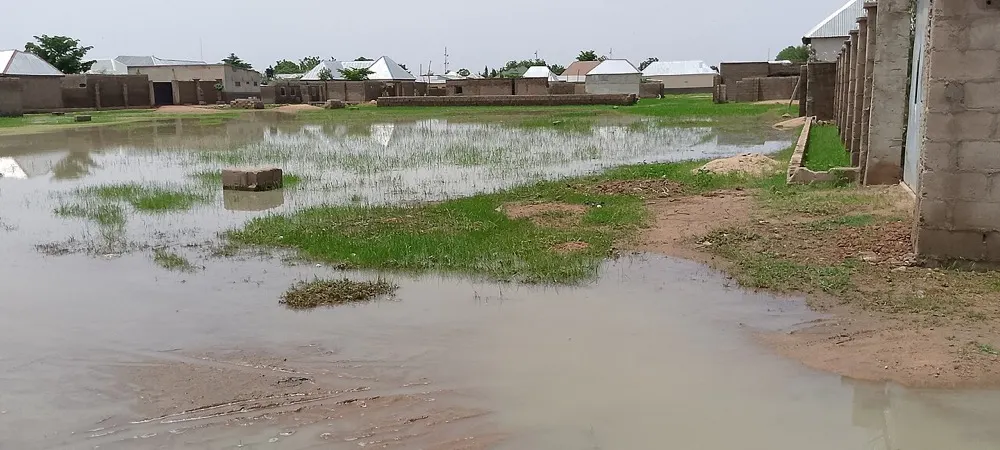
ABUJA — Heavy rainfall has increased the risk of flooding in parts of Nigeria, prompting emergency authorities to warn residents in vulnerable communities to take precautions. Several areas have experienced waterlogging and flooding following intense rainfall, with roads, homes and local businesses affected in some communities. The continuing rainy season has renewed concerns about the ability of drainage systems to cope with heavy downpours. Flooding is a recurring problem in many Nigerian cities and rural communities, particularly where drainage infrastructure is inadequate or waterways have been obstructed. Poor waste disposal can also contribute to blocked drainage channels, preventing rainwater from flowing away quickly. Emergency agencies have urged residents to avoid crossing flooded roads or waterways because floodwater can conceal open drains, damaged roads and other hazards. Motorists have also been advised to exercise caution during periods of heavy rainfall because visibility can fall sharply and vehicles can lose control on waterlogged roads. The consequences of flooding can extend beyond temporary disruption. Homes may be damaged, businesses can lose goods and equipment, and families may be forced to leave affected areas. Schools can also be disrupted when classrooms become inaccessible or are used as temporary shelters. Farmers face additional risks because excessive rainfall and flooding can destroy crops and livestock. This can affect food supplies and household incomes, particularly in communities that depend heavily on agriculture. Health risks also increase after flooding. Contaminated water can contribute to the spread of waterborne diseases, while stagnant water can create breeding conditions for mosquitoes. Emergency agencies have therefore encouraged residents to maintain safe water and sanitation practices following floods. Climate change has increased attention on the frequency and intensity of extreme weather events. While individual floods have multiple causes, changing rainfall patterns can increase the risk of unusually heavy precipitation in some regions. Nigerian authorities have been developing flood preparedness and early-warning measures to reduce the impact of disasters. Effective early warnings are particularly important for communities located near rivers and other waterways. Residents who receive timely information can move people and valuables to safer locations before water levels become dangerous. Urban planning is another important factor. Construction on natural waterways and wetlands can restrict the movement of water and increase flood risks. Authorities therefore need to enforce planning regulations and protect natural drainage systems. Investment in drainage infrastructure can also reduce flooding in urban areas. Communities have an important role to play as well. Proper waste disposal helps keep drainage channels clear, while residents can work with local authorities to identify areas where flood protection is needed. Community emergency plans can improve response when flooding occurs. The current rainfall has once again demonstrated the vulnerability of some Nigerian communities to extreme weather. Emergency agencies continue to monitor conditions and advise residents to follow official warnings. Where flooding becomes severe, evacuation may be necessary to protect lives. The priority during any flood emergency is to prevent deaths and ensure that affected people have access to shelter, food, clean water and medical assistance. Longer-term recovery requires rebuilding damaged infrastructure and helping households restore their livelihoods. Preventing future disasters will require a combination of better urban planning, stronger drainage systems, environmental management and reliable early-warning systems. As the rainy season continues, residents in flood-prone areas are being urged to remain vigilant and avoid unnecessary exposure to floodwater.
Flooding Displaces Residents as Heavy Rains Intensify Across Parts of Nigeria
0
Views