


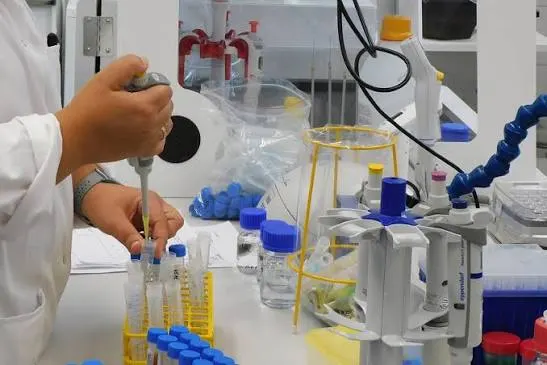
ABUJA — Nigerian universities have been urged to strengthen research collaboration with government agencies, private companies and international institutions as part of efforts to improve innovation and contribute more directly to national development. Education stakeholders said universities possess significant research capacity but often face challenges in translating academic discoveries into practical products and services. Stronger links between universities and industry could help bridge that gap. Research and innovation are important components of higher education because they allow institutions to contribute to solving problems in areas such as agriculture, healthcare, energy, education, manufacturing and technology. Universities also train researchers and professionals who support the wider economy. However, research activities require adequate funding, laboratories, equipment and access to current academic information. Many Nigerian institutions continue to face constraints in these areas. Stakeholders have therefore called for greater investment in research infrastructure and more competitive funding opportunities for academics and students. Collaboration with private companies could provide another source of support. Businesses can identify practical problems that researchers can help solve, while universities can provide technical expertise and access to specialised facilities. Such partnerships can also give students opportunities to work on real-world projects. Technology has created new opportunities for collaboration. Researchers can work with institutions in other countries through digital platforms, while students can access international journals, databases and academic conferences online. Nigerian universities can benefit from these networks by participating in joint research projects and exchanging knowledge with institutions around the world. Intellectual property protection is also important. Researchers need systems that allow them to protect and commercialise inventions without losing ownership of their work. Universities that establish effective technology-transfer offices can help researchers move promising ideas from laboratories into the marketplace. Entrepreneurship programmes can complement this process by teaching students how to develop business models around innovative products. Research funding remains one of the biggest challenges. Government agencies and university managements must provide reliable funding for projects that address national priorities. Competitive grants can encourage researchers to develop high-quality proposals and demonstrate measurable outcomes. Funding should also extend to postgraduate students because they form an important part of the research workforce. Universities can contribute to national development when research is linked to local needs. Agricultural research, for example, can help farmers improve yields and manage climate-related challenges. Engineering research can support infrastructure development, while computer science and technology research can contribute to digital transformation. Social science research can also help policymakers understand social and economic challenges. The quality of research depends partly on the academic environment. Universities need qualified researchers, modern facilities and sufficient time for academics to conduct studies. Excessive administrative workloads and inadequate resources can limit research productivity. Strengthening postgraduate programmes can also help institutions build a larger pool of researchers. Nigerian universities have produced scholars whose work has attracted international recognition, but stakeholders say more needs to be done to create conditions that allow research to flourish locally. International partnerships can provide access to expertise and equipment, but domestic investment remains essential. The government and university authorities must therefore view research as a long-term investment rather than an occasional expenditure. Students can benefit from stronger research environments as well. Undergraduate and postgraduate students who participate in research projects develop analytical and problem-solving skills that can improve their employment prospects. Innovation programmes can also encourage students to create solutions to local problems. The push for greater research collaboration is therefore about more than academic publications. It is about creating a stronger connection between education, innovation and economic development. If universities, government and industry work together effectively, research findings can have a greater impact on society. For Nigeria, building a knowledge-driven economy will require institutions capable of producing skilled graduates and generating new ideas. Strengthening research collaboration can help universities play that role more effectively.
Universities Urged to Expand Research Collaboration and Innovation Programmes
0
Views