


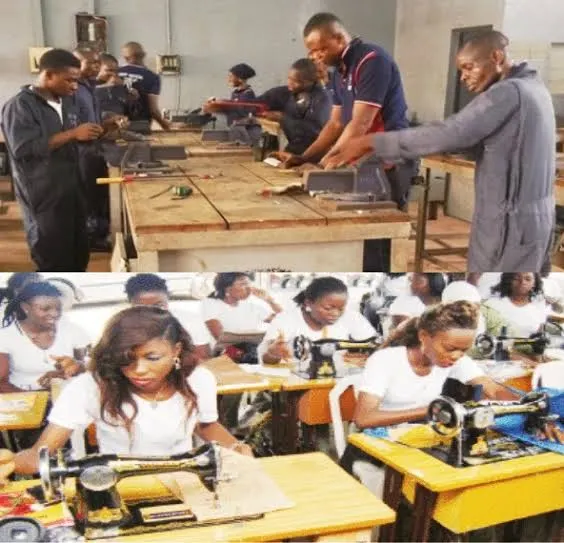
ABUJA — The Federal Government has continued efforts to strengthen technical and vocational education as Nigeria seeks to equip young people with practical skills capable of supporting employment, entrepreneurship and economic development. The renewed attention to technical education comes amid concerns about graduate unemployment and the growing gap between formal academic qualifications and the skills required by employers. Education officials have repeatedly emphasised the importance of giving students access to practical training alongside conventional academic programmes. Technical and vocational education provides students with opportunities to develop skills in areas such as engineering, construction, information technology, agriculture, manufacturing, automobile technology and other trades. Government officials said strengthening these programmes would help young Nigerians become more productive and reduce dependence on limited white-collar employment opportunities. The initiative also forms part of broader efforts to reform Nigeria's education system and make learning more responsive to the needs of the economy. For years, many Nigerian students have focused heavily on university education, while technical colleges and vocational institutions have received less attention. Education experts have argued that this imbalance has contributed to shortages of skilled technicians and artisans in important sectors. Industries often require workers with specialised practical skills, yet employers can struggle to find adequately trained personnel. Expanding technical education could therefore help bridge the gap between education and employment. The government is also expected to improve equipment and training facilities in technical institutions. Modern workshops and laboratories are essential because students need opportunities to work with tools and technologies used in real workplaces. Without adequate equipment, practical courses can become largely theoretical, limiting their usefulness to students. Teacher training is another important component. Instructors must be familiar with modern technologies and industry practices if they are to prepare students effectively. Partnerships between educational institutions and private companies could provide opportunities for instructors and students to gain practical experience. Industry participation can also help institutions update curricula to reflect changing workplace requirements. Digital technology is increasingly becoming part of technical education. Students can now learn skills involving computer programming, digital design, electronics, automation and other technology-based fields. Expanding access to digital training could create additional opportunities for young people, particularly those interested in the growing technology sector. Agriculture is another area where technical education could have a significant impact. Nigeria's agricultural sector requires technicians and skilled workers capable of operating modern equipment, managing irrigation systems, processing agricultural products and maintaining machinery. Training young people in these areas could support productivity and create employment opportunities in rural communities. The government faces challenges in implementing the reforms. Funding remains a major issue across Nigeria's education sector, while many institutions require rehabilitation and modern equipment. Ensuring that programmes are available outside major cities is also important because students in rural communities should not be excluded from opportunities for skills development. Education authorities will therefore need to work closely with state governments and institutions to expand access. The success of technical education will ultimately depend on whether graduates can use their training to secure employment or establish viable businesses. Skills development should be connected to wider economic policies that support small businesses, manufacturing, agriculture and other productive sectors. Access to affordable financing can also help trained young people turn practical skills into businesses. For students and parents, the growing emphasis on technical education represents a broader understanding of what constitutes a successful education. Academic degrees remain important, but practical skills can also provide pathways into employment and entrepreneurship. Nigeria's large youth population makes this particularly important. If young people receive relevant skills and access to opportunities, they can contribute significantly to economic growth. The government's renewed focus on technical and vocational education therefore represents an important part of the wider education reform agenda. Sustained investment, effective management and cooperation with industry will be necessary to turn policy commitments into measurable improvements. If successfully implemented, stronger technical education could help Nigeria develop a more skilled workforce and provide young people with alternatives to traditional academic pathways.
FG Moves to Strengthen Technical Education as Skills Development Takes Centre Stage
0
Views