


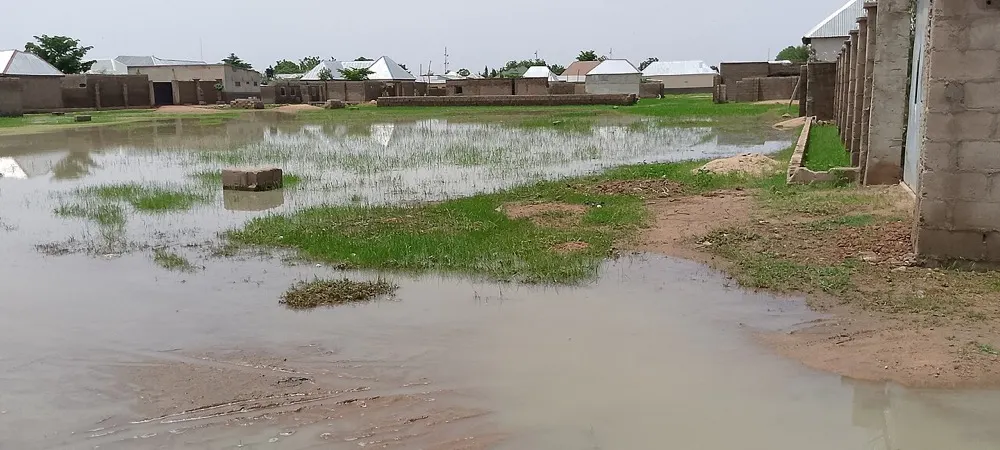
LAGOS — Heavy rainfall has caused flooding in several parts of Lagos, leaving residents and motorists dealing with waterlogged roads and renewed concerns about the city's drainage infrastructure. Areas including Kunsela Road in Ikate, Shogunle, Oshodi and other communities experienced significant flooding after intense rainfall. Residents in affected areas moved belongings away from floodwater as water levels rose around homes and parked vehicles. The flooding has once again highlighted the difficulty Lagos faces in managing heavy rainfall in a densely populated urban environment. Lagos is a coastal city with extensive low-lying areas, making some communities naturally vulnerable to flooding. Rapid urbanisation has also increased pressure on drainage systems and reduced the amount of open land available for water absorption. Blocked drainage channels can worsen the problem by preventing rainwater from flowing away efficiently. Waste dumped in drainage systems can obstruct the movement of water and increase the likelihood of flooding during heavy rainfall. Authorities have repeatedly urged residents to dispose of waste properly and avoid activities that obstruct waterways. Urban development is another important factor. Construction on wetlands and natural drainage routes can reduce the ability of the environment to absorb or redirect stormwater. Effective planning regulations are therefore necessary to reduce flood risks as the city expands. The Lagos State Government has continued to invest in drainage and flood-control projects, but the scale of the city's infrastructure needs remains significant. Maintenance is also important because even well-designed drainage systems can become ineffective if they are blocked or damaged. Residents have been advised to avoid driving through deep floodwater because vehicles can lose control or become stranded. Pedestrians face risks from open drains and hidden obstacles beneath floodwater. Children are particularly vulnerable and should be kept away from fast-moving or deep water. Flooding can also create public-health risks. Water may become contaminated by sewage, waste and other pollutants. Residents in affected areas need access to clean drinking water and sanitation facilities. Health authorities may need to monitor communities for increases in waterborne diseases after major floods. The economic consequences can also be substantial. Businesses may close temporarily, goods can be damaged and workers may be unable to reach their workplaces. Transport disruptions can increase travel times and raise costs for commuters. Low-income households are particularly vulnerable because they may have limited resources to repair damaged homes or replace lost belongings. Flooding can also affect schools. When roads become impassable, students and teachers may be unable to reach schools. Buildings located in flood-prone areas can also suffer damage. Protecting schools therefore needs to form part of wider flood-management plans. Climate change has increased concerns about extreme rainfall and changing weather patterns. While flooding has multiple causes, intense rainfall can place additional pressure on drainage systems. Cities therefore need stronger adaptation strategies, including improved drainage, flood mapping, early-warning systems and protection of natural waterways. Residents also have a role to play. Keeping drains free of waste, following official warnings and moving valuables to safer locations before severe rainfall can reduce damage. Community-level monitoring can also help authorities identify vulnerable areas. The latest flooding is a reminder that Lagos requires long-term planning rather than only emergency responses after rainfall. Drainage construction, regular maintenance, waste management and enforcement of planning regulations must work together. The immediate priority remains protecting lives and helping affected residents. But the longer-term challenge is building a city capable of coping with heavy rainfall while accommodating continued population growth. As the rainy season progresses, authorities and residents will need to remain vigilant because further heavy rainfall could create additional flooding in vulnerable communities.
Lagos Flooding Renews Concerns Over Drainage and Urban Planning
0
Views