


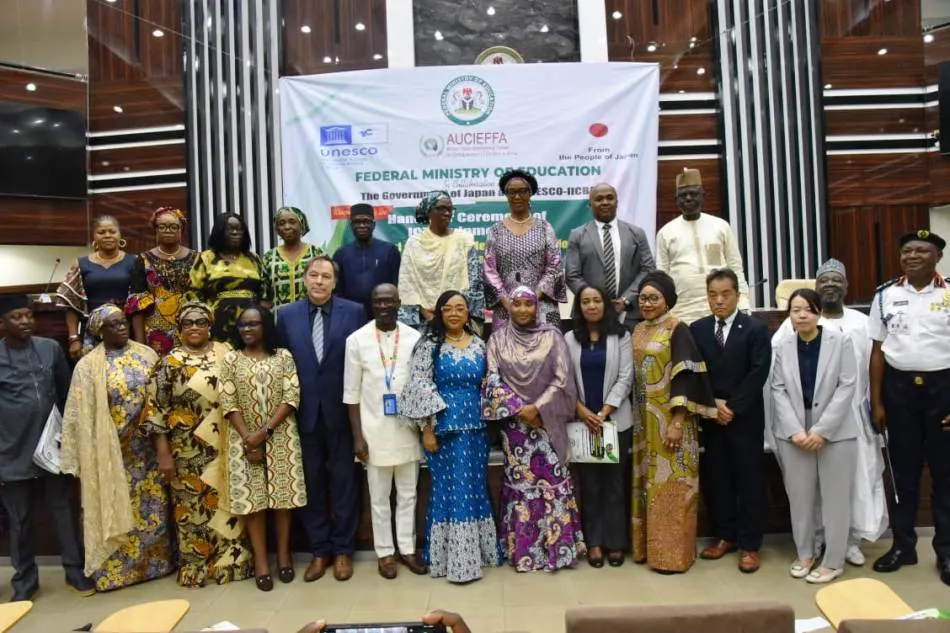
ABUJA — The Federal Government has reaffirmed its commitment to strengthening Nigeria's university system through the National University Advancement Programme, an initiative designed to improve institutional sustainability, fundraising capacity and global competitiveness. The programme brought together university officials for intensive training on advancement strategies, including alumni engagement, donor relations, communications, partnerships and institutional fundraising. The initiative reflects growing recognition that government funding alone may not be sufficient to meet the expanding financial and infrastructure needs of Nigeria's universities. Universities require resources for laboratories, libraries, information technology, research, student services, staff development and infrastructure. The National University Advancement Programme is intended to help institutions develop additional sources of support while maintaining their academic responsibilities. The Federal Ministry of Education said the programme represents part of a broader effort to reposition Nigerian universities for long-term sustainability. Rather than depending exclusively on annual government allocations, institutions are being encouraged to develop stronger relationships with alumni, businesses, philanthropic organisations and other partners. Alumni networks can be particularly valuable because graduates often retain strong connections with their universities and can contribute financially, professionally or through mentorship. Effective advancement offices can help universities organise these relationships in a structured manner. Fundraising is only one component of university advancement. Institutions also need strong communication systems that demonstrate how resources are being used and what impact they have. Transparency can encourage donors and alumni to support projects because they can see measurable outcomes. Strategic partnerships can also provide universities with access to equipment, expertise and research opportunities. Collaboration with industry can help institutions align academic programmes with labour-market needs. It can also provide students with internships and practical experience. Nigerian universities face growing pressure to produce graduates who can compete in a rapidly changing economy. Technology, entrepreneurship and research are increasingly important, while employers expect graduates to possess practical and analytical skills. Stronger institutional partnerships can help universities respond to those demands. The programme also highlights the importance of professional administration within higher education. Advancement work requires staff who understand fundraising, communications, stakeholder management and strategic planning. Training university officials in these areas could help institutions build dedicated teams capable of developing sustainable partnerships. The initiative is particularly relevant as universities expand their roles in research and innovation. Research requires significant investment in equipment, laboratories, data and personnel. Partnerships with industry and development organisations can supplement public research funding and create opportunities for joint projects. However, stakeholders have also emphasised that private support should complement rather than replace the government's responsibility to fund public universities adequately. Government remains responsible for ensuring that students have access to quality higher education regardless of their socioeconomic background. Additional institutional revenue should therefore be used to strengthen academic programmes and student services rather than create barriers to access. The programme involved university officials from federal institutions and provided practical training aimed at improving advancement capacity. The Federal Government expects the knowledge gained to translate into stronger institutional systems. Universities will need to develop clear strategies for alumni relations, fundraising and partnerships if the programme is to produce lasting results. The initiative comes at a time when Nigeria is seeking to improve the international standing of its universities. Global competitiveness depends on research quality, teaching standards, infrastructure, governance and the ability to attract talented academics and students. Sustainable financing is an important part of that equation. The National University Advancement Programme therefore represents an attempt to broaden the financial and institutional tools available to Nigerian universities. Its long-term success will depend on whether participating institutions establish effective advancement structures and convert new partnerships into tangible improvements for students, researchers and staff.
FG Launches University Advancement Programme to Strengthen Higher Education
0
Views