


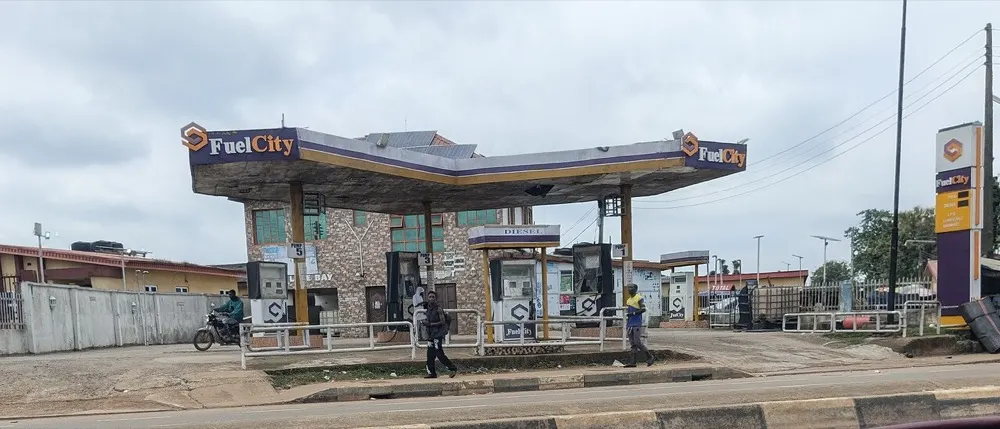
LAGOS — Dangote Petroleum Refinery and Petrochemicals announced a N50-per-litre reduction in the ex-depot price of Premium Motor Spirit, commonly known as petrol. The price adjustment came amid continuing competition and changes in Nigeria's downstream petroleum market. Ex-depot prices are important because they influence the prices at which petroleum products are supplied to marketers before transportation and retail costs are added. A reduction can therefore create room for lower pump prices if other costs and market conditions allow. The development is significant for Nigerian households and businesses because petrol prices affect transportation and operating costs across the economy. Nigeria's downstream petroleum sector has undergone major changes since the removal of the petrol subsidy. The reform increased the role of market forces and created greater exposure to international crude prices, exchange-rate movements and local refining costs. Domestic refining has become an increasingly important part of the government's strategy for improving fuel supply. The Dangote refinery represents a major investment in domestic refining capacity and has the potential to reduce reliance on imported petroleum products. Increased local production can also shorten supply chains and reduce exposure to international shipping costs. Competition among refiners and importers may influence prices as more products become available. Consumers, however, ultimately judge the market through pump prices and fuel availability. A reduction at the depot level does not always translate immediately into an equivalent reduction at filling stations because transport, distribution and retail costs vary. Exchange-rate movements can also affect the cost of crude and other inputs. The price cut nevertheless indicates changing conditions in the downstream market. For transport operators, lower fuel costs can reduce operating expenses. If those savings are sustained, they may influence transportation fares and the prices of goods moved across the country. Businesses that depend heavily on generators can also benefit from lower petrol prices, although electricity and diesel costs remain separate concerns. The refinery's growing role has broader implications for Nigeria's trade balance. Greater domestic refining can reduce the volume of refined petroleum products imported into the country and potentially create opportunities for exports. However, sustained production requires reliable crude supply, efficient logistics and a stable regulatory environment. Competition is also important. A healthy downstream market should provide consumers with choices and encourage suppliers to compete on price and service. Regulators have a role in monitoring market behaviour and ensuring that competition rules are respected. The government must also balance consumer interests with the need to maintain investment incentives. Refining is capital-intensive and requires significant maintenance and operational expenditure. Investors need confidence that market conditions will allow facilities to operate sustainably. For Nigerians, the immediate issue is affordability. Petrol remains an important part of household and business expenditure. Lower prices can provide some relief, particularly for transport-dependent households. The broader economic impact will depend on whether price reductions are sustained and passed through the distribution chain. The N50 reduction therefore represents another development in Nigeria's evolving fuel market. It highlights the increasing importance of domestic refining and competition in determining petroleum prices. Continued investment in local refining capacity could improve supply security and reduce dependence on imports. However, the benefits will ultimately depend on reliable production, efficient distribution and transparent market conditions. Consumers will be watching whether the reduction at the depot level results in meaningful savings at retail stations.
Dangote Refinery Cuts Petrol Ex-Depot Price by N50 Per Litre
0
Views