


ABUJA — The Central Bank of Nigeria has directed banks and other financial institutions to immediately freeze accounts, funds and economic resources linked to six individuals and four Bureau de Change operators designated under Nigeria's sanctions framework for suspected terrorism financing. The directive was contained in a circular dated June 24, 2026, and followed updates to the Nigeria Sanctions List that took effect on June 18. The CBN said the measures were also connected to sanctions issued by the United States Department of the Treasury's Office of Foreign Assets Control. Financial institutions were instructed to identify and freeze assets belonging to or controlled by the designated persons and entities without prior notice. The directive reflects the role of the financial system in efforts to prevent the movement of funds connected to terrorism and other serious financial crimes. Banks and other regulated institutions are required to maintain systems capable of identifying customers and transactions that may fall under sanctions. Freezing designated assets prevents funds from being moved while relevant authorities pursue investigations or enforcement measures. Terrorism financing is a major concern for financial regulators because illicit networks can attempt to move money through legitimate financial channels. Bureau de Change operators are part of the regulated financial ecosystem and are therefore subject to obligations concerning customer identification, transaction monitoring and compliance with sanctions requirements. The CBN's directive places additional responsibility on financial institutions to ensure that the affected assets are not accessed or transferred. Compliance with sanctions is also important to Nigeria's relationship with international financial institutions and foreign regulators. International cooperation is increasingly necessary because illicit financial transactions can cross borders quickly. A transaction originating in Nigeria may involve accounts, businesses or intermediaries in other countries. Coordinated sanctions can therefore help authorities disrupt financial networks that operate across jurisdictions. The directive also demonstrates the importance of accurate customer information in the financial sector. Banks and other institutions need reliable records to identify individuals and organisations subject to restrictions. Weak compliance systems can make it easier for illicit funds to move through the financial system. At the same time, sanctions must be implemented carefully to avoid wrongly restricting people or organisations that are not subject to the relevant measures. Financial institutions therefore need clear procedures for verifying identities and responding to official updates. Customers whose accounts are affected by sanctions may also need to use established legal and regulatory channels to challenge or clarify their status. The broader objective of financial sanctions is not simply to restrict individual accounts but to prevent the financial system from being exploited for unlawful activities. Nigeria has continued to strengthen its anti-money-laundering and counter-terrorism-financing framework as part of efforts to improve financial integrity. Strong enforcement can also protect legitimate businesses from being exposed to illicit transactions. For banks and other financial institutions, compliance is increasingly becoming an important part of everyday operations. Technology can help institutions monitor transactions and identify unusual patterns, but effective compliance also requires trained personnel and strong internal controls. The latest CBN directive therefore reinforces the responsibility of financial institutions to respond quickly to official sanctions. By restricting access to designated funds and assets, authorities seek to make it harder for suspected terrorism-financing networks to use Nigeria's financial system. The effectiveness of the measure will depend on consistent enforcement, accurate information sharing and cooperation among Nigerian and international institutions.
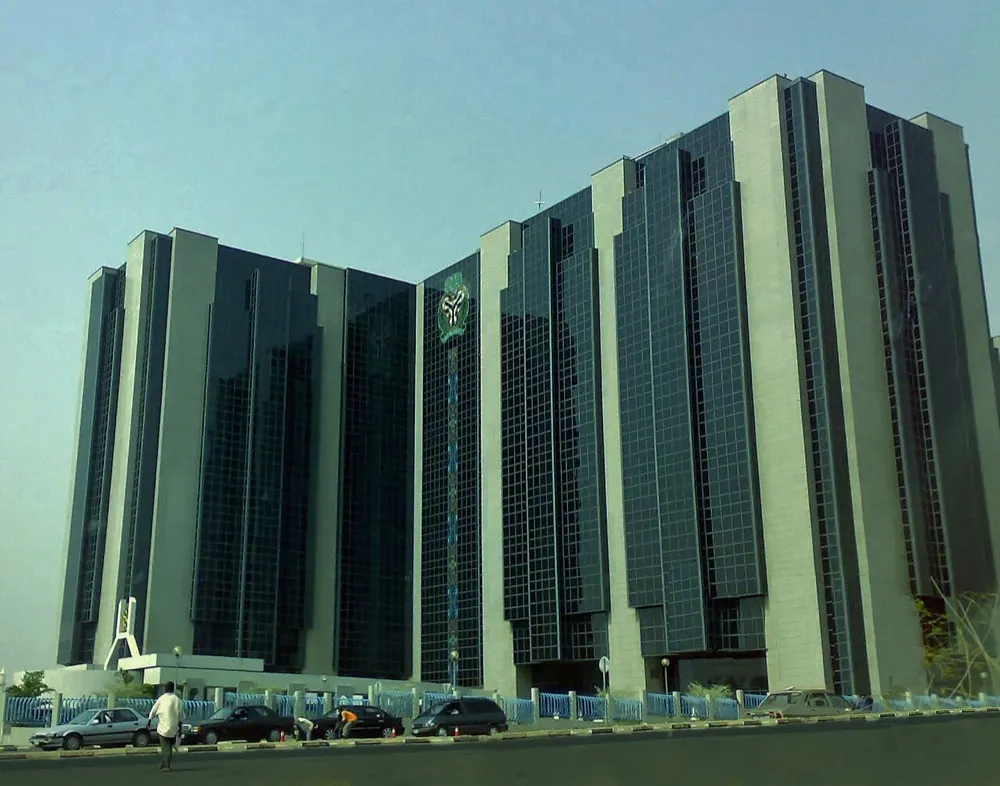
CBN Orders Banks to Freeze Assets Linked to Suspected Terror Financing Network
0
Views