


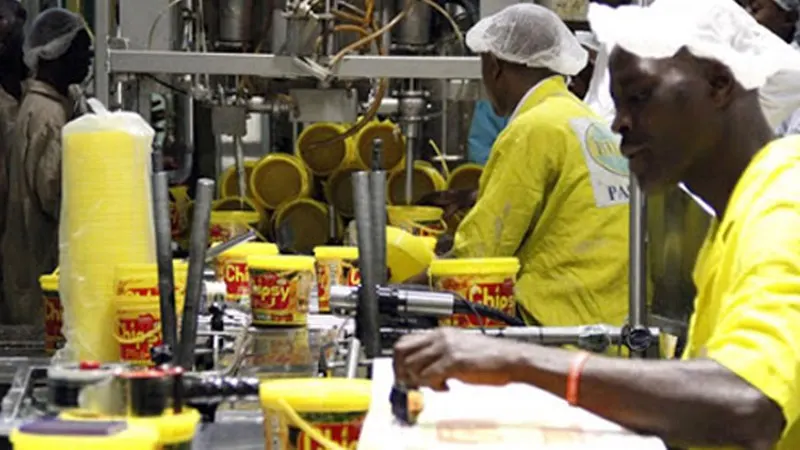
ABUJA — The National Environmental Standards and Regulations Enforcement Agency has defended Nigeria's new plastic-waste control regulations, saying the policy is intended to tackle pollution and promote a circular economy rather than shut down manufacturing businesses. The regulations form part of efforts to address the growing environmental impact of plastic waste across the country. Plastic products are widely used in Nigeria because they are inexpensive, durable and convenient. However, poor disposal systems have resulted in plastic waste accumulating in streets, drainage channels, waterways and open spaces. Blocked drainage can contribute to flooding during heavy rainfall, while plastic waste in rivers and coastal areas can damage ecosystems. NESREA said the regulations are designed to encourage more responsible production, consumption and disposal. A circular economy approach seeks to reduce waste by keeping materials in use for longer through reuse, recycling and recovery. Instead of treating plastic as a product that is used once and discarded, the system encourages manufacturers and consumers to consider what happens at the end of a product's life. Effective implementation will require cooperation from manufacturers, retailers, consumers and waste-management companies. Manufacturers may need to redesign packaging, improve collection systems or contribute to recycling programmes. Consumers also need access to convenient waste-disposal options. Without reliable collection infrastructure, even well-designed regulations can have limited impact. Recycling capacity is another important consideration. Nigeria has a growing waste-recycling industry, but facilities and collection networks remain unevenly distributed. Investment in recycling can create jobs while reducing the amount of waste sent to landfills or dumped into the environment. The policy therefore has both environmental and economic dimensions. Businesses may initially face additional compliance costs, but improved waste management can also create new markets for recycled materials and environmental services. Clear regulations can provide certainty for investors interested in recycling and waste recovery. Enforcement will be critical. Regulations that are not consistently applied may have little effect. NESREA and other authorities will need to monitor compliance while ensuring that enforcement is transparent. Small businesses may require guidance and support to understand new requirements. Public education is equally important. Consumers need to understand why plastic waste is a problem and how they can contribute to better disposal practices. Schools, communities and local governments can play important roles in promoting environmental awareness. Plastic pollution is particularly visible in urban areas where drainage systems and waterways can become blocked by discarded materials. During periods of heavy rain, such blockages can worsen flooding and create health risks. Reducing plastic waste can therefore support wider urban resilience. The policy also aligns with global efforts to reduce environmental pollution. Many countries are developing measures to reduce single-use plastics, improve recycling and encourage more sustainable packaging. Nigeria's approach will need to reflect local economic conditions while meeting environmental objectives. Industry participation will be essential because manufacturers understand their production processes and can help develop practical solutions. Government agencies, meanwhile, need to maintain standards and ensure that environmental protection remains a priority. If implemented carefully, the regulations could help reduce plastic pollution while creating opportunities for recycling and waste recovery. The challenge will be ensuring that environmental objectives are balanced with the need to protect legitimate businesses and consumers. NESREA's clarification that the policy targets pollution rather than manufacturers is therefore important as the new rules are implemented.
Nigeria Strengthens Efforts to Reduce Plastic Pollution Through New Rules
0
Views