


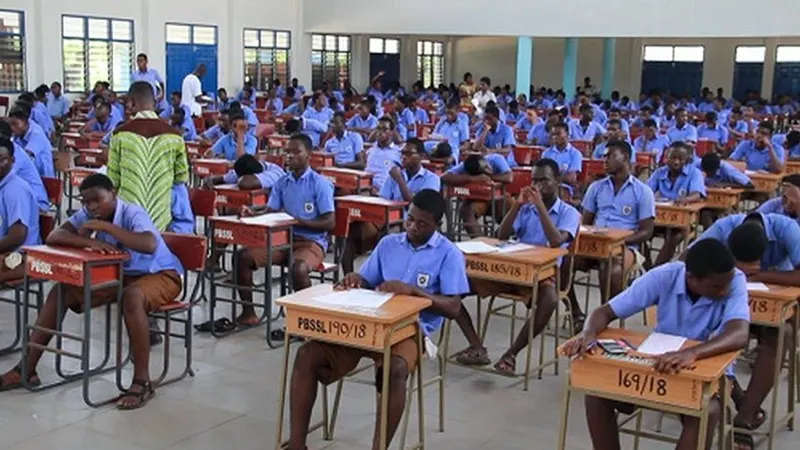
ABUJA — Education authorities and stakeholders have emphasised the importance of continuous teacher training in efforts to improve learning outcomes across Nigeria. They said teachers need regular professional development to keep pace with changes in curricula, classroom needs and educational technology. Teacher preparation does not end when an educator receives an initial qualification. Classrooms change as new technologies, teaching approaches and student needs emerge. Continuous professional development can help teachers respond to those changes while strengthening skills they already possess. Training programmes are most effective when they address practical classroom challenges. Teachers may benefit from support in areas such as literacy instruction, mathematics teaching, classroom management, assessment and the use of digital resources. Professional development can also help teachers identify students who are struggling and provide appropriate support. Rural and underserved schools require particular attention. Teachers working in remote communities may have fewer opportunities to attend training programmes because of distance and limited resources. Online learning can provide an alternative where internet access is available, but face-to-face support remains valuable for practical training. School leadership also has a role in professional development. Head teachers and principals can create environments where teachers share ideas and discuss classroom experiences. Peer learning can complement formal training and help educators adapt successful approaches to their own schools. Assessment should be connected to teacher development. When learning assessments identify areas where students are performing poorly, education authorities can examine whether teachers need additional support in those subjects. This creates a link between evidence about student performance and interventions aimed at improving teaching. Teacher welfare is also important. Professional development programmes are unlikely to have lasting impact if teachers work under difficult conditions without adequate support. Salaries, working environments, teaching materials and career progression can all affect motivation. Governments therefore need a broad approach that combines training with better working conditions. Technology is increasingly part of education policy. Teachers need digital skills to use learning-management systems, online resources and educational applications effectively. However, technology training should reflect the realities of individual schools. A teacher in a school without reliable electricity may require different support from one working in a well-connected urban institution. Education authorities also need to evaluate training programmes. Attendance at workshops does not necessarily mean that classroom practices have improved. Follow-up assessments, classroom observation and feedback can help determine whether teachers are applying what they have learned. Strong teacher development can have effects beyond individual classrooms. Well-prepared teachers can become mentors for colleagues and contribute to a stronger professional culture within schools. Over time, this can improve institutional capacity. Nigeria's growing school-age population makes teacher preparation increasingly important. More children entering school will require enough qualified teachers to provide effective instruction. Recruitment must therefore be accompanied by training and retention strategies. Strengthening teacher development is not a quick solution to all education challenges, but it is a necessary part of improving learning. When teachers have the knowledge, resources and support required to do their jobs effectively, students are more likely to benefit. Sustained investment in teacher development should therefore remain central to Nigeria's education agenda.
Education Authorities Highlight Teacher Training as Key to Better Outcomes
0
Views