


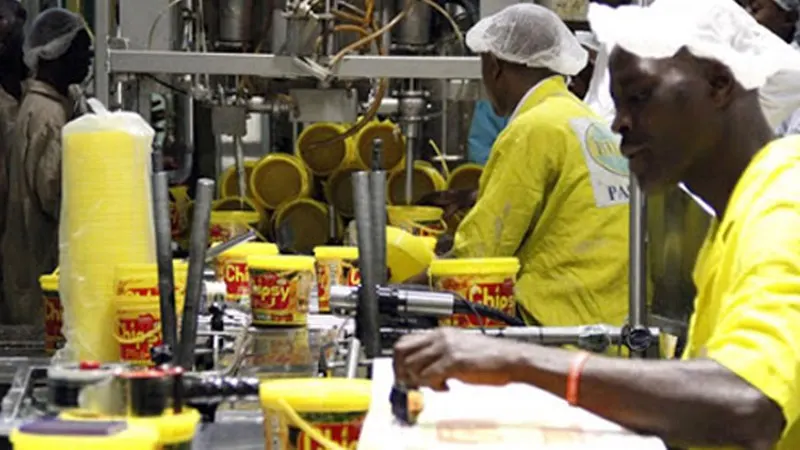
LAGOS — Manufacturers have renewed calls for policies that can reduce production costs and improve the operating environment as Nigerian businesses seek to expand industrial activity. Industry operators said high energy expenses, logistics challenges and financing constraints continue to affect competitiveness. Manufacturing plays an important role in economic diversification because factories create jobs, develop supply chains and produce goods that might otherwise be imported. Expanding domestic production can also support exports when local companies become competitive in regional and international markets. However, manufacturers face several structural challenges. Electricity costs remain a major concern for businesses that require continuous power for machinery and production lines. Companies that rely heavily on alternative energy sources may incur significantly higher operating expenses. Improving electricity reliability can therefore reduce costs and increase productivity. Transport infrastructure is another issue. Poor roads, congestion and inefficient logistics can increase the cost of moving raw materials and finished products. Manufacturers may pass those costs to consumers, contributing to higher prices. Better transport networks can improve connections between factories, suppliers and markets. Access to finance is also important. Manufacturing often requires significant investment in machinery and facilities, but long-term credit can be difficult or expensive to obtain. Financial institutions can support industrial growth by developing financing products suited to businesses with longer investment cycles. Government incentives may also help strategic industries expand, provided such incentives are transparent and carefully targeted. Local production can contribute to employment and reduce pressure on foreign exchange by lowering dependence on imported goods. However, local manufacturers also need access to imported machinery and raw materials that are not readily available domestically. Stable foreign-exchange policies can therefore help businesses plan their operations. Skills development is another requirement. Modern manufacturing increasingly relies on technical knowledge, automation and quality-control systems. Companies need workers who can operate equipment, maintain machinery and meet production standards. Partnerships between industry and educational institutions can help develop those skills. Small and medium-sized manufacturers require particular attention because they often have fewer financial resources than large corporations. Support in areas such as access to credit, training and market information can help smaller businesses grow into larger enterprises. Industrial policy must also take consumer interests into account. Measures designed to support local production should encourage efficiency rather than permanently protecting inefficient businesses from competition. Companies need incentives to improve quality and reduce costs. Regional trade opportunities provide another avenue for growth. Nigerian manufacturers can potentially access larger markets through the African Continental Free Trade Area if they can meet required standards and compete on price. This makes improvements in productivity increasingly important. Manufacturers said cooperation between government and industry would be necessary to address the challenges facing the sector. Regular consultation can help policymakers understand how regulations affect businesses and identify practical solutions. Industrial growth is ultimately linked to the wider economy. Stronger manufacturing can increase employment, generate tax revenue and reduce dependence on imported products. Achieving those benefits will require sustained investment in infrastructure, energy, skills and finance. Lowering production costs would therefore not only help individual businesses but could also support Nigeria's broader economic diversification agenda.
Manufacturers Seek Lower Production Costs to Sustain Industrial Growth
0
Views