


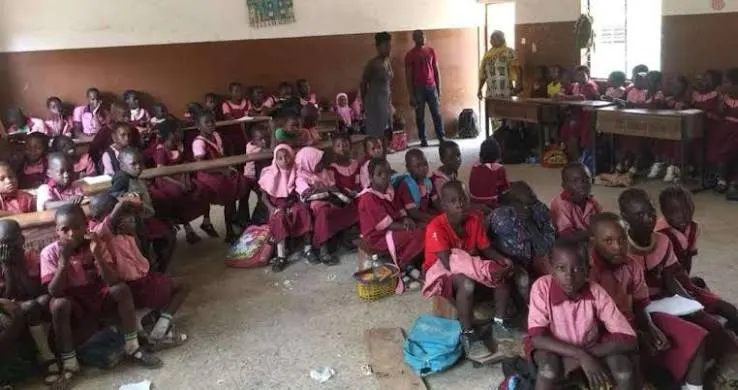
KANO — Education stakeholders have called for sustained investment in schools across Northern Nigeria, stressing that improving learning outcomes will require practical support for teachers, technology and infrastructure. The call followed discussions at the All Northern Schools Conference, where participants examined challenges facing education in the region. Stakeholders said schools needed more than temporary interventions. They argued that sustainable improvement requires financing systems that can support schools beyond individual programmes or conferences. Teacher development was identified as an important area of investment. Teachers need appropriate training, teaching materials and opportunities to improve their professional skills. In communities where schools face shortages of qualified personnel, recruitment and retention also require attention. Infrastructure remains another challenge. Schools need functional classrooms, sanitation facilities, learning materials and, increasingly, access to electricity and digital tools. Poor facilities can discourage attendance and make teaching more difficult. Investment should therefore focus on both new construction and maintenance of existing schools. Technology can support education when schools have the infrastructure required to use it. Digital learning resources can expand access to educational materials and provide teachers with additional tools. However, technology cannot substitute for basic facilities or trained educators. Programmes should therefore be designed around the actual conditions of individual schools. Financing is particularly important in underserved communities. Schools serving poor households may require additional support because families have fewer resources to contribute to education. Government and development partners can help address those inequalities through targeted investment. The private sector can also contribute through partnerships, scholarships, equipment and skills programmes. Collaboration is more effective when responsibilities and expected outcomes are clearly defined. Education data can help identify where support is most needed. Authorities can examine enrolment, attendance, teacher numbers and learning outcomes to determine which communities face the largest gaps. Reliable information can also help monitor whether interventions are producing results. Security remains a factor in some parts of Northern Nigeria. Insecurity can disrupt school attendance, force closures and make it difficult to retain teachers. Education planning therefore needs to take local security conditions into account. Communities can help schools operate safely by maintaining communication with authorities and supporting child protection measures. Girls' education also requires continued attention in areas where social and economic barriers affect participation. Keeping girls in school can improve future opportunities and contribute to household and community development. Flexible programmes and community engagement may help address some barriers. The challenges facing Northern schools are significant, but stakeholders said they are not insurmountable. Sustained investment can strengthen the education system and expand opportunities for children and young people. The focus should be on practical measures that improve classrooms, support teachers and give students access to relevant learning resources. Northern Nigeria has a large young population whose future depends heavily on the quality of education available to them. Strengthening schools can therefore contribute not only to individual opportunity but also to regional economic and social development. Stakeholders said long-term partnerships among government, communities, businesses and education organisations would be necessary to sustain progress.
Northern Schools Need Sustained Investment in Teachers, Technology and Infrastructure
0
Views