


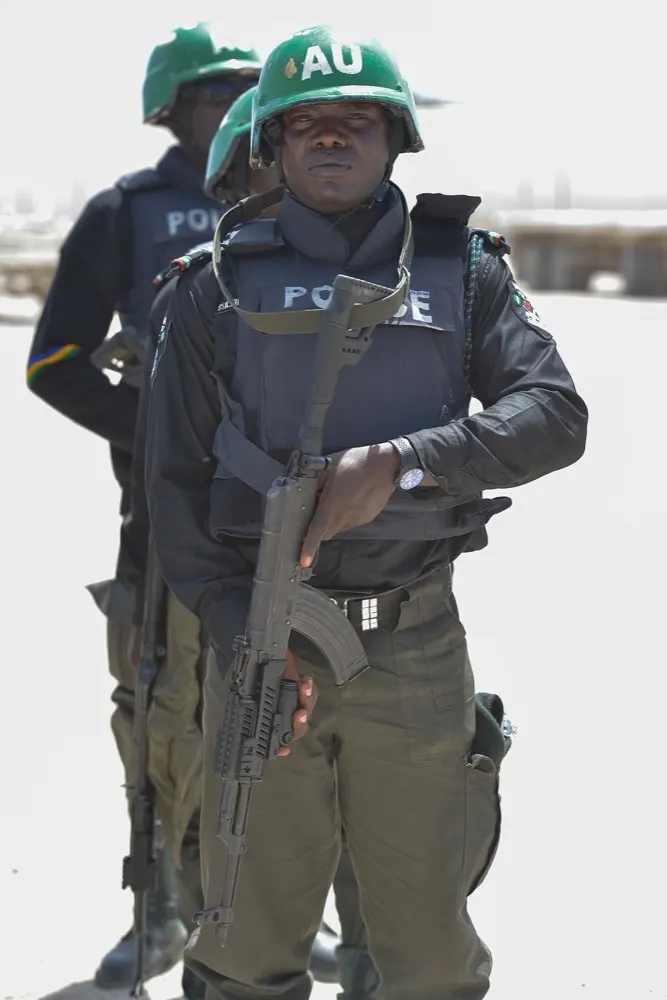
IBADAN — The ongoing strike by public school teachers in Oyo State has continued to disrupt academic activities, with parents and education stakeholders expressing concern about the effect of prolonged school closures on pupils. The Nigeria Union of Teachers began the indefinite strike after the abduction of teachers and pupils in Oriire Local Government Area. The action was intended to draw attention to concerns over the safety of teachers and students. School security has become a major issue in parts of Nigeria following repeated attacks and abductions involving educational institutions. Teachers have argued that they cannot be expected to work in environments where adequate protection is not guaranteed. Parents, however, have also expressed concern about the educational consequences of prolonged closures. Children who remain out of school for extended periods can lose contact with lessons and fall behind academically. Younger pupils may be particularly affected because foundational skills require regular practice. Parents also worry about how children spend their time when schools are closed. Without structured learning activities, some pupils may become disengaged from education. Families with limited resources may also struggle to provide alternative learning arrangements at home. The strike highlights the difficult balance between protecting teachers and maintaining access to education. Safety is a basic requirement for learning, but prolonged disruption can create its own risks for children's development. Government authorities and teachers therefore face pressure to find a solution that addresses security concerns while allowing schools to reopen safely. Security measures around schools can include improved surveillance, controlled access and cooperation with local communities. In areas facing serious threats, authorities may also need broader security deployments. Teachers need confidence that such measures are genuine and sustainable rather than temporary responses to individual incidents. Communication between government and teachers is also important. Negotiations can help identify practical measures that address immediate concerns while longer-term security plans are developed. Parents should also receive clear information about school closures and reopening arrangements. The disruption in Oyo reflects a broader national challenge. Insecurity has affected education in several states, forcing some schools to close or operate under heightened security measures. Such disruptions can widen existing educational inequalities because children in vulnerable communities may lose more instructional time than those in safer areas. Education authorities therefore need strategies that allow learning to continue during periods of insecurity where possible. Alternative learning arrangements, catch-up programmes and flexible academic calendars can help reduce the effect of lost classroom time. However, such measures cannot replace safe physical schools indefinitely. The immediate priority remains the protection of teachers and pupils. At the same time, government and education stakeholders must consider the long-term educational consequences of closures. Resolving the Oyo dispute will require cooperation among the state government, teachers, security agencies and communities. The experience demonstrates that education policy and security policy cannot be treated separately. Children need both access to school and the assurance that school is a safe place to learn.
Oyo Teachers' Strike Leaves Pupils Out of Class as Parents Raise Concerns
0
Views