


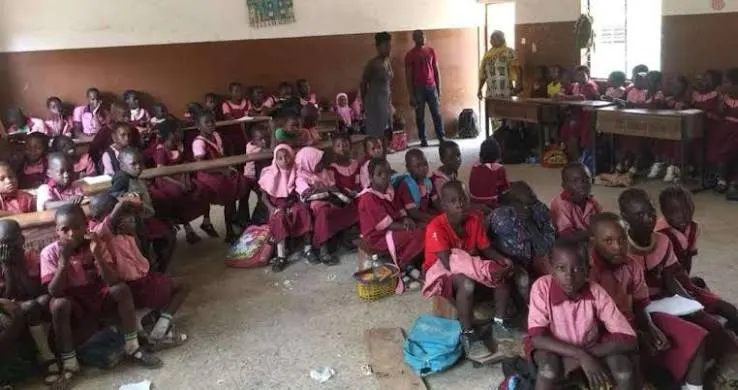
LAGOS — More than 150 pupils from three primary schools in Lagos participated in a peace education bootcamp designed to teach children values including tolerance, empathy and non-violent conflict resolution. The programme was organised by Teens Go For Gold Network and featured the launch of a peace education manual titled Kojo and Friends. Organisers said peacebuilding should begin in classrooms because children develop social attitudes and communication habits from an early age. The programme brought together pupils from St. Francis Primary School, St. Agnes Primary School and Maryland Primary School. Participants were introduced to ideas intended to help them understand differences, manage disagreements and communicate respectfully. Peace education can play a role in preventing conflicts before they escalate. Children who learn how to listen, negotiate and understand different perspectives may be better prepared to resolve disagreements without violence. Schools provide an important setting for these lessons because students interact with peers from different backgrounds every day. Teachers can reinforce peacebuilding through classroom activities, group projects and discussions. Education is not only about academic subjects. Schools also help children develop social and civic skills that influence how they participate in communities. Teaching respect and empathy can therefore contribute to healthier relationships beyond the classroom. The programme comes amid wider concerns about insecurity and social divisions in Nigeria. Violence can affect children's sense of safety and disrupt education. Children exposed to conflict may experience fear, anxiety or difficulties concentrating on their studies. Peace education cannot solve insecurity on its own, but it can provide young people with skills that encourage constructive responses to disagreements. Parents also have an important role. Values taught at school are more likely to become habits when families reinforce them at home. Communities can support peacebuilding by encouraging dialogue and discouraging discrimination and violence. The manual launched during the programme was designed as a practical resource for children and teenagers. Educational materials of this kind can help teachers introduce difficult subjects in ways that are appropriate for different age groups. Training teachers is also important because educators need confidence in facilitating conversations about conflict and differences. Peace education can be connected to other subjects, including civic education, literature and social studies. This can make the lessons part of normal school activities rather than an isolated programme. Students can also take part in peer-led initiatives that promote respectful behaviour. Such programmes can strengthen leadership skills while encouraging students to take responsibility for their school environment. The initiative demonstrates how education organisations can complement government efforts by developing programmes focused on social development. However, long-term impact requires continuity. One-off workshops may create awareness, but repeated learning and reinforcement are more likely to influence behaviour. Schools can therefore incorporate peacebuilding principles into everyday activities. Nigeria's young population makes investment in social and civic education particularly important. Children who learn constructive ways of handling disagreement can carry those skills into adulthood. Organisers said beginning peacebuilding in classrooms could contribute to stronger communities over time. The Lagos programme provided a practical example of how schools can help children develop not only academic knowledge but also the values needed for peaceful coexistence.
Peace Education Programme Reaches More Than 150 Lagos Pupils
0
Views