


ABUJA — Pro-democracy protesters across several Nigerian cities demanded urgent action to rescue pupils and teachers abducted from schools, making insecurity a central issue during demonstrations marking Democracy Day. The protests brought together activists and citizens concerned about kidnapping, economic hardship and the state of democratic governance. The abduction of schoolchildren and teachers has become one of the most sensitive security issues in the country. Families affected by kidnappings face prolonged uncertainty, while communities may lose confidence in their ability to protect children. Protesters said the government should make the rescue of victims a priority. Demonstrations took place as Nigeria marked June 12, a day that commemorates the country's democratic struggle and the 1993 presidential election. For activists, the anniversary provided an opportunity to assess whether citizens are receiving the security, welfare and accountability expected in a democracy. Insecurity has affected communities in different parts of Nigeria through kidnapping, banditry and attacks. Schools are particularly vulnerable because children and teachers often gather in predictable locations. When schools are attacked or students are abducted, the consequences extend beyond the immediate victims. Parents may withdraw children from school, teachers may refuse postings to high-risk areas and communities can experience prolonged disruption. Protesters therefore linked school security to broader questions about government responsibility. The demonstrations also reflected concerns about the economy and living conditions. Rising costs of essential goods can intensify public frustration, particularly when households already face security concerns. Citizens often judge government performance through everyday experiences such as safety, employment and access to education. Peaceful protest is one way citizens can express dissatisfaction and demand accountability. Authorities have a responsibility to protect protesters and maintain public order while respecting lawful rights to assembly and expression. Security agencies must balance crowd management with the need to avoid unnecessary force. The demands for the rescue of abducted pupils also highlight the need for stronger coordination among security agencies. Kidnapping cases can involve multiple jurisdictions, making intelligence sharing and rapid response important. Communities can assist investigations by providing information through appropriate channels, but victims' safety must remain the priority. Beyond immediate rescue operations, government needs long-term measures to reduce the conditions that allow criminal groups to operate. Improved intelligence, community engagement, policing and economic opportunities can all contribute to reducing insecurity. Education authorities must also prepare contingency plans for schools in vulnerable areas. Alternative learning arrangements may be needed when schools are temporarily closed. Counselling should also be available for students affected by traumatic events. The protests demonstrated that security has become central to public discussion of Nigeria's democracy. For families whose children have been abducted, political speeches and commemorations are less important than the safe return of their loved ones. The government therefore faces pressure to demonstrate that security commitments can translate into concrete results. The demonstrations also showed that citizens continue to use public action to demand accountability. The rescue of abducted pupils and teachers remains an urgent humanitarian and security issue requiring sustained attention.
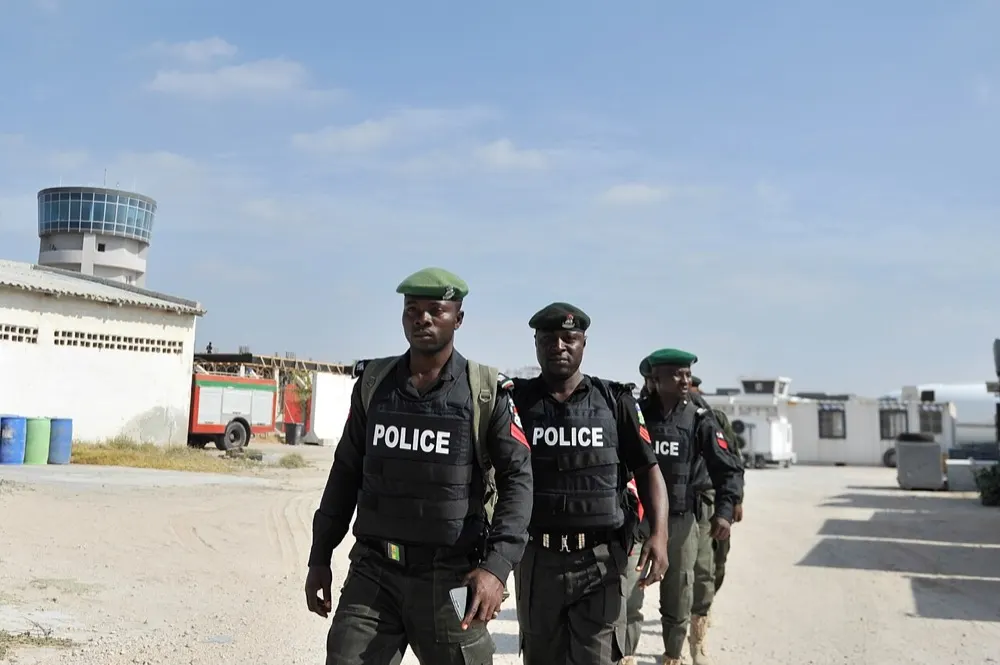
Protesters Across Nigeria Demand Rescue of Abducted Pupils and Teachers
0
Views