


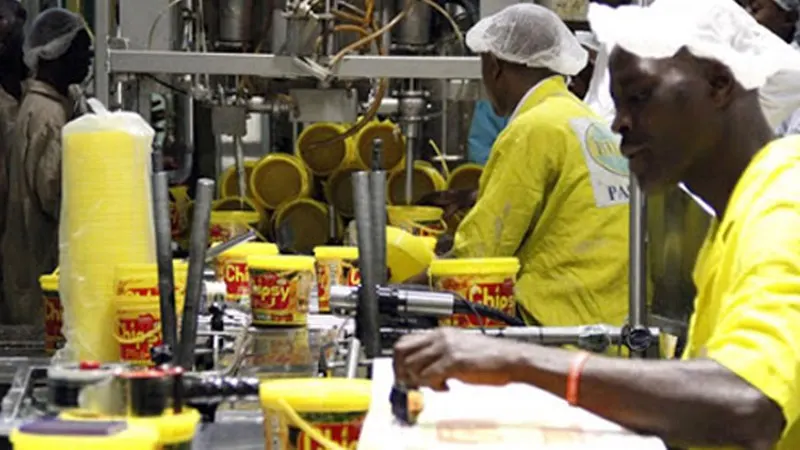
LAGOS — Nigerian manufacturers have renewed calls for more reliable electricity, saying unstable power supply continues to increase production costs and makes it harder for local businesses to compete. Manufacturers rely heavily on electricity for machinery, refrigeration, processing and other industrial activities. When public power supply is unreliable, companies often depend on diesel or other alternative sources, increasing operating expenses. Higher production costs can eventually affect the prices paid by consumers. Businesses may also delay expansion when energy costs are unpredictable. Stable electricity is therefore important not only for individual companies but for the wider economy. Manufacturing creates employment and supports supply chains involving farmers, transporters, distributors and service providers. Stronger industrial production can reduce dependence on imported goods and improve domestic value addition. Energy reliability is one of several factors affecting manufacturing competitiveness. Access to finance, transportation, infrastructure, taxation and regulatory certainty also influence investment decisions. However, electricity remains particularly important because it affects almost every stage of production. Manufacturers have called for reforms that improve generation, transmission and distribution while encouraging additional private investment in the energy sector. Distributed power solutions can also help businesses reduce dependence on the national grid. Solar systems, gas-powered generation and other alternatives are increasingly being considered by companies seeking more predictable energy supplies. Financing remains a challenge for smaller businesses that cannot easily afford alternative power infrastructure. Financial institutions and development programmes can support investment in energy-efficient equipment and renewable systems. Improving energy efficiency can also reduce costs. Modern machinery may consume less electricity while producing greater output. Businesses can benefit from technical assistance that helps them identify opportunities for reducing energy waste. Government policy also has a role in encouraging investment. Clear regulations and predictable tariffs can give investors greater confidence. At the same time, consumers need protection from sudden increases that could create additional pressure on household budgets. Industrial clusters can provide opportunities for shared infrastructure. Concentrating businesses in areas with dedicated power and transport facilities can reduce individual costs and improve efficiency. Such clusters can also encourage collaboration among companies. Manufacturing growth is important for Nigeria's efforts to diversify its economy. Oil remains significant, but expanding non-oil production can create additional sources of employment and government revenue. Local manufacturing can also strengthen supply-chain resilience by reducing exposure to international disruptions. The cost of electricity is therefore connected to broader questions about economic development. Businesses that can produce competitively are more likely to invest, employ workers and expand. Those facing high operating costs may reduce production or move activities elsewhere. Stakeholders continue to call for coordinated action across the energy and industrial sectors. Improving electricity supply will require investment and effective regulation over time. For manufacturers, however, more reliable power remains one of the most immediate requirements for reducing production costs and strengthening competitiveness. A more stable energy system could support industrial growth while contributing to lower costs and greater employment opportunities.
Manufacturers Seek Stable Power Supply to Reduce Production Costs
0
Views