


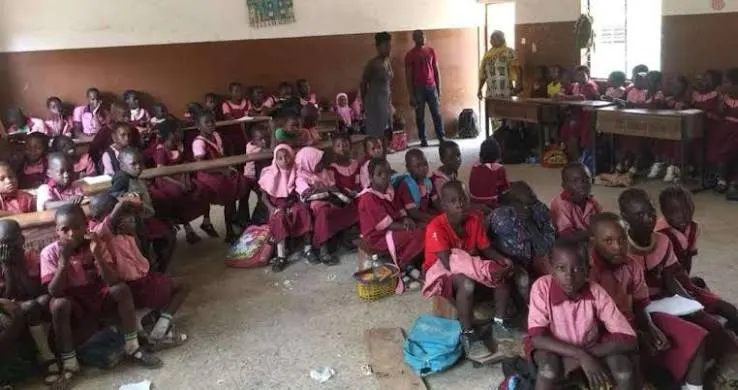
ABUJA — The Federal Government has intensified efforts to strengthen quality assurance across Nigeria's basic education system, with education authorities focusing on closer monitoring of schools and improved coordination with state-level institutions. The initiative reflects growing recognition that increasing access to education must be accompanied by measures that ensure children actually receive quality instruction. Quality assurance covers several areas of school operations, including teacher availability, curriculum implementation, learning materials, infrastructure and the general learning environment. Effective monitoring can help identify schools where students are not receiving adequate support and allow authorities to respond with targeted interventions. Nigeria's basic education system serves a very large and diverse population, making consistent standards difficult to achieve. Schools in urban centres may have access to better infrastructure and more teachers than institutions in rural or underserved communities. Quality assurance systems can help identify these differences and provide evidence for allocating resources. Teacher quality remains one of the most important factors influencing learning outcomes. Monitoring can reveal where teachers require additional professional development or where staffing shortages are affecting instruction. Training programmes are more effective when they are based on identified classroom needs rather than generic assumptions. Curriculum implementation is another important area. Schools need to teach approved curricula while adapting classroom approaches to the needs of their pupils. Regular supervision can help identify gaps between policy and actual classroom practice. Learning assessments can complement school inspections by providing information about what pupils are learning. Data on literacy, numeracy and other foundational skills can help authorities determine whether education policies are producing results. However, assessment should be used primarily to improve teaching rather than simply to rank schools. Infrastructure also affects learning. Classrooms need to be safe, adequately ventilated and sufficiently equipped. Access to water, sanitation and electricity can influence attendance and concentration. Digital learning resources are increasingly relevant, but technology cannot substitute for teachers and functional school environments. Collaboration between federal and state authorities is necessary because basic education responsibilities are shared across different levels of government. Local education officials often have more direct knowledge of individual schools and communities. Strong communication between agencies can therefore improve the effectiveness of interventions. Parents and communities can also contribute to quality assurance. School management committees and parent groups can help identify problems and encourage accountability. Public reporting mechanisms can give communities greater confidence that concerns will be addressed. The broader objective is to ensure that children leave basic education with strong foundational skills. Poor learning outcomes at the early stages can create difficulties later in secondary and tertiary education. Strengthening quality assurance is therefore an investment in the entire education pipeline. The government's efforts will need sustained funding and reliable data to succeed. Monitoring should lead to practical action, including teacher support, infrastructure improvements and assistance for struggling schools. If those systems are implemented consistently, stronger quality assurance can help Nigeria move beyond measuring school attendance toward ensuring that children are actually learning.
Federal Government Moves to Strengthen Quality Assurance in Basic Education
0
Views