


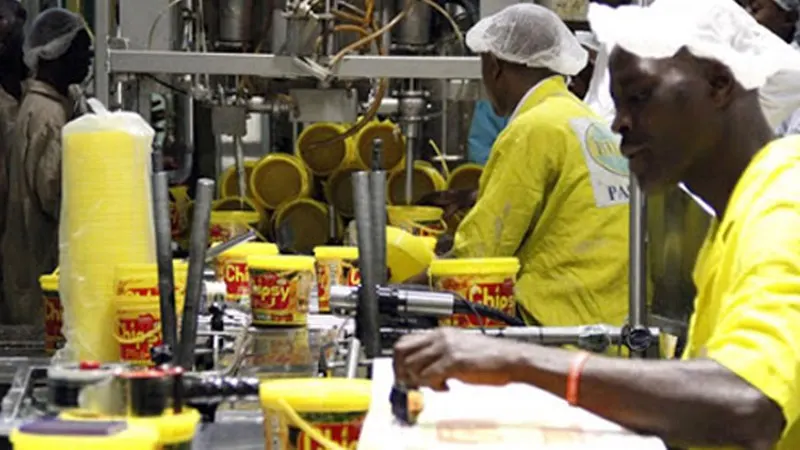
LAGOS — Economic stakeholders in Lagos reviewed industrial cluster development as the coronavirus outbreak began disrupting manufacturing, trade and other business activities across the state. The emerging crisis was creating new pressures for businesses while also highlighting the importance of organised industrial areas capable of supporting production, distribution and employment.
Stakeholders said industrial clusters could help businesses operate more efficiently by bringing related enterprises and supporting services closer together. They maintained that properly planned industrial areas could improve access to infrastructure, transportation, suppliers and markets while creating opportunities for employment and investment.
The COVID-19 outbreak, however, was beginning to expose weaknesses in the operating environment. Restrictions on movement, reduced commercial activity and uncertainty in supply chains were affecting manufacturers and other businesses. Stakeholders said industrial development plans would therefore need to take account of the immediate disruption while maintaining a longer-term focus on economic growth.
Manufacturers faced particular difficulties in obtaining raw materials and moving finished products. Disruptions to transportation and supply chains could delay production and increase operating costs. Economic stakeholders called for coordination between relevant authorities and businesses to minimise unnecessary interruptions to essential commercial activities.
Small and medium-sized enterprises operating within industrial clusters were also vulnerable. Many businesses had limited financial reserves and could struggle to absorb prolonged reductions in sales or production. Stakeholders urged authorities to consider support measures that could help viable businesses remain operational and protect employment.
Infrastructure remained another major concern. Business representatives said reliable electricity, roads, water supply, waste management and other basic services were necessary for industrial areas to function effectively. They urged authorities to maintain existing infrastructure and continue planning improvements despite the uncertainty created by the pandemic.
Stakeholders also stressed the importance of maintaining health and safety measures within industrial areas. Businesses that continued operating were encouraged to protect workers and customers, improve hygiene where necessary and comply with official directives relating to movement and workplace activities.
The disruption also prompted discussions about the need to strengthen local production. Stakeholders said dependence on imported materials and products could create additional vulnerabilities when international supply chains were disrupted. They argued that industrial development should encourage more domestic production and stronger links between local manufacturers and suppliers.
Business representatives called for clear communication from authorities regarding operating restrictions and available support. They said uncertainty could make it difficult for manufacturers to plan production, manage workers and maintain supplies. Regular information, they maintained, would help businesses respond more effectively to changing conditions.
Industrial stakeholders also highlighted the importance of access to finance. Businesses facing declining revenues could require working capital to maintain operations and retain employees. They urged financial institutions and government agencies to consider practical measures that could improve access to funding for businesses affected by the disruption.
The crisis was also seen as an opportunity to reassess industrial planning in Lagos. Stakeholders said future development should consider supply-chain resilience, access to infrastructure, emergency preparedness and the ability of businesses to continue operating during major disruptions.
As attention shifted towards implementation, economic stakeholders called for practical measures to protect businesses while maintaining longer-term industrial development plans. They said stronger infrastructure, improved coordination, support for small businesses and greater emphasis on local production would be important to the recovery of the industrial sector.
The COVID-19 outbreak had created significant uncertainty for businesses in Lagos, but stakeholders maintained that continued planning for industrial development remained necessary. They urged authorities and industry representatives to use the period to identify weaknesses, protect viable enterprises and prepare the sector for recovery when economic activity eventually returned to normal.