


KANO — Education stakeholders in Kano renewed attention on school infrastructure as the coronavirus outbreak disrupted normal academic activities and forced schools to adjust to an uncertain operating environment. The disruption brought renewed focus to the condition of classrooms, sanitation facilities and other infrastructure needed to provide safe and effective learning environments.
Stakeholders said the suspension of normal classroom activities should not halt planning for education infrastructure. They maintained that authorities needed to continue assessing existing facilities and identifying areas requiring attention so that schools would be better prepared when academic activities could resume.
The public-health situation also highlighted the importance of sanitation within schools. Stakeholders said classrooms, toilets, water facilities and other shared spaces would require adequate attention before students eventually returned. They urged education authorities to include hygiene and sanitation requirements in infrastructure planning.
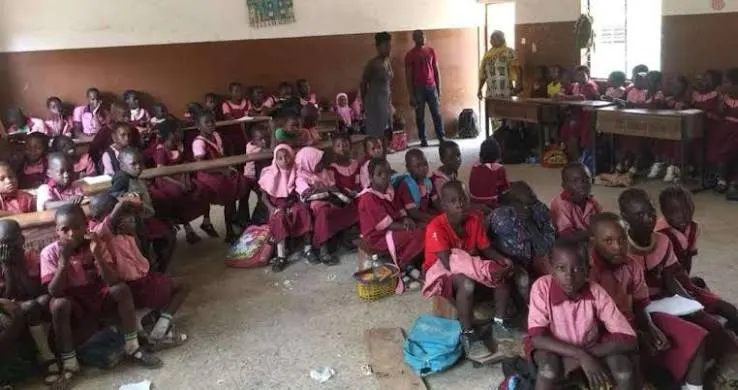
School administrators and community representatives also expressed concern about overcrowding. Stakeholders said densely populated classrooms could create additional challenges when schools reopened, particularly if public-health precautions remained necessary. They called for consideration of classroom capacity and other measures that could improve the learning environment.
The disruption was also affecting ongoing and planned construction projects. Stakeholders said authorities would need to review project schedules and ensure that work could continue safely when conditions permitted. They urged officials to maintain proper documentation and monitor projects to ensure that public resources were used effectively.
Community leaders called for greater attention to schools serving areas with limited facilities. They said differences in infrastructure could contribute to unequal learning conditions and urged authorities to prioritise communities where classrooms, water supply and sanitation remained inadequate.
The availability of electricity and other basic services was also identified as an important part of modern education infrastructure. Stakeholders said schools increasingly required reliable power and access to technology, particularly as discussions about remote and digital learning became more prominent during the disruption.
However, stakeholders recognised that access to technology varied widely among students. They urged authorities to improve infrastructure without assuming that all learners had access to smartphones, computers or reliable internet services. Traditional learning resources would therefore remain important alongside digital options.
Parents and community representatives called for clear information about school reopening plans and infrastructure preparations. They said families needed to understand what measures would be introduced before students returned and how schools intended to manage safety concerns.
Education stakeholders also said the experience should encourage longer-term planning. They maintained that emergency preparedness, sanitation, classroom capacity and access to learning technology should form part of future education infrastructure programmes.
As attention shifted towards implementation, stakeholders in Kano called for practical measures to strengthen school infrastructure and prepare institutions for the eventual return of students. They urged authorities to monitor projects carefully, prioritise urgent needs and ensure that facilities were capable of supporting safe learning conditions.
The disruption caused by COVID-19 had created significant uncertainty for the education sector, but stakeholders maintained that infrastructure planning could continue. They said sustained investment in schools would remain necessary to improve learning conditions and ensure that Kano's education system was better prepared for future challenges.