


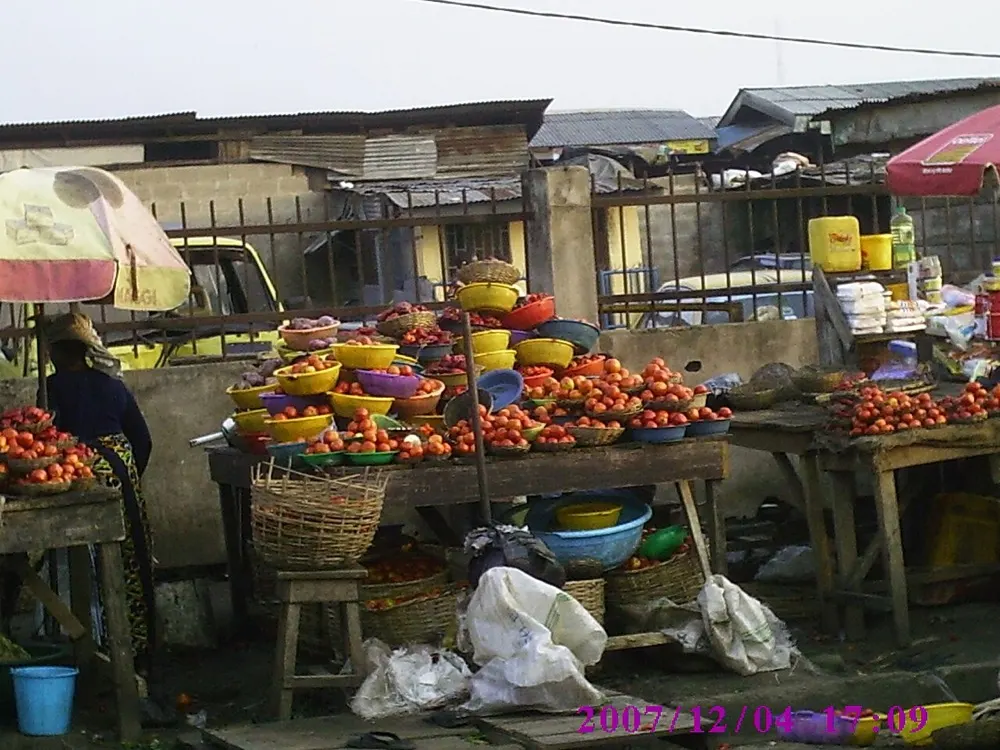
IBADAN — Economic stakeholders in Ibadan turned attention to market recovery as the coronavirus outbreak disrupted trading activities and placed new pressure on traders, businesses and households. The emerging public-health crisis was affecting movement, consumer activity and normal commercial operations, prompting renewed discussion about how markets could continue functioning while measures to contain the spread of COVID-19 were observed.
Stakeholders said markets remained essential to the city's economy because they provided food, household goods and other necessities to residents while supporting the livelihoods of thousands of traders and workers. They maintained that efforts to protect public health needed to be balanced with the need to keep essential commercial activities operating where possible.
The situation was particularly challenging for small traders and informal businesses whose incomes depended on daily sales. Reduced customer traffic and restrictions on movement were making it harder for some traders to maintain their normal level of activity. Stakeholders said these businesses could face significant difficulties if the disruption continued for an extended period.
Market leaders called for practical measures to support traders during the difficult period. They urged authorities and relevant organisations to provide clear guidance on market operations and ensure that traders understood any restrictions affecting their activities. They also called for regular communication so that businesses could prepare for changes in operating arrangements.
Public-health precautions became an important part of discussions about market operations. Stakeholders urged traders and customers to observe appropriate hygiene measures and avoid unnecessary overcrowding. They said market managers would need to work with authorities to improve sanitation and encourage responsible behaviour among traders and customers.
The disruption also highlighted the importance of maintaining food and essential-goods supplies. Stakeholders said interruptions to transport and distribution could affect the availability and prices of goods if not properly managed. They called for coordination between market associations, transport operators and relevant authorities to reduce unnecessary disruptions to supply chains.
Small businesses also faced financial pressure as sales declined. Traders who relied on daily income could find it difficult to meet household expenses, pay workers or maintain stock. Economic stakeholders called for consideration of measures that could help viable businesses survive the disruption and resume normal operations when conditions improved.
Market associations were encouraged to maintain proper records of traders and communicate available support programmes clearly. Stakeholders said transparent administration would be important if assistance was provided and would help ensure that available resources reached those who needed them.
The situation also prompted discussions about longer-term improvements to market infrastructure. Stakeholders said better sanitation, organisation, access routes and basic facilities could make markets safer and more efficient. They maintained that recovery planning should consider these issues rather than focus only on the immediate effects of the pandemic.
Business operators said the experience demonstrated the vulnerability of local commerce to sudden disruptions. They urged authorities and market leaders to develop practical contingency plans that could help markets respond more effectively to future emergencies while protecting traders and consumers.
As attention shifted towards implementation, stakeholders in Ibadan called for cooperation between government agencies, market associations, traders and consumers. They said effective coordination would be necessary to protect livelihoods, maintain essential supplies and observe public-health measures.
The market recovery programme was therefore viewed as part of a wider effort to keep the local economy functioning during an uncertain period. Stakeholders maintained that with clear guidance, improved sanitation, responsible trading practices and appropriate support for affected businesses, Ibadan's markets could gradually recover from the disruption caused by the COVID-19 crisis.