


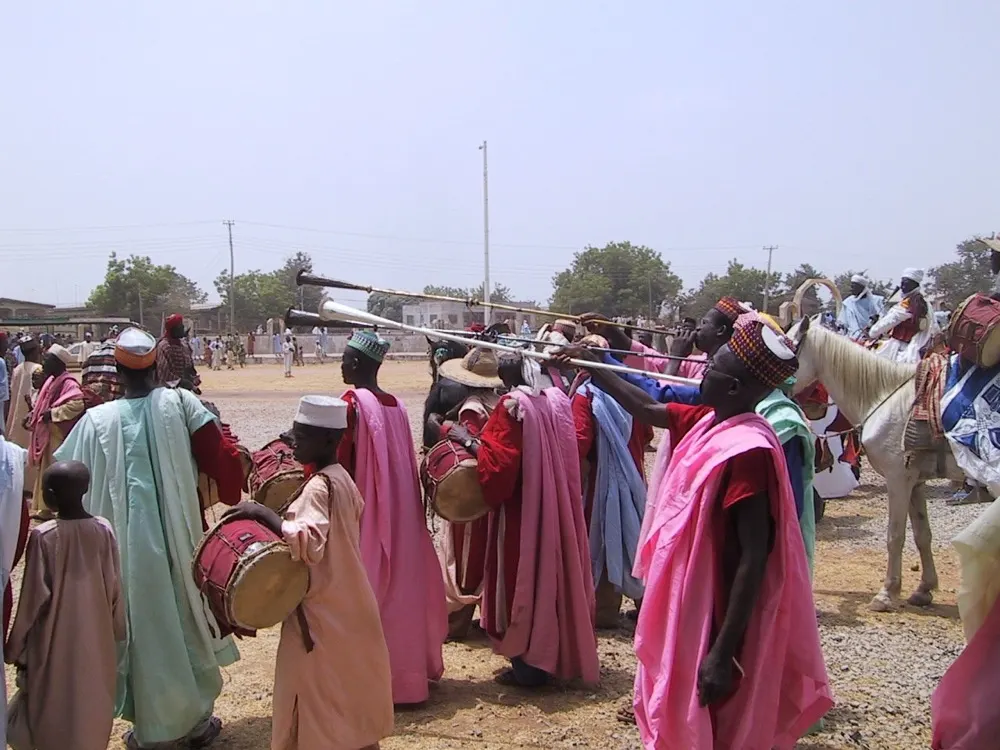
JOS — Cultural stakeholders in Jos renewed support for the preservation and promotion of local heritage as the coronavirus outbreak disrupted public events and entertainment activities across the country. The situation was beginning to affect cultural programmes, festivals and other gatherings that provided opportunities for communities to celebrate their traditions and support local creative practitioners.
Stakeholders said the disruption should not weaken efforts to preserve the cultural heritage of Plateau State. They maintained that cultural activities remained important to community identity and provided opportunities for younger generations to learn about traditional practices, music, art, crafts and other forms of cultural expression.
The growing restrictions on public gatherings, however, created uncertainty for organisers of cultural events. Stakeholders urged organisers to comply with directives from authorities and avoid activities that could expose participants and audiences to unnecessary health risks. They said programmes would have to be adjusted according to the prevailing public-health situation.
Cultural practitioners also raised concerns about the economic effect of cancelled and postponed events. Performers, artisans, event organisers, vendors and other workers often depended on cultural programmes for income. The disruption therefore affected a wider network of people within the creative economy.
Stakeholders called for greater support for cultural practitioners facing financial difficulties. They said government agencies, community organisations and private institutions could play a role in helping artists and cultural workers remain active during the disruption and prepare for the eventual return of public events.
The discussions also highlighted the importance of documenting cultural traditions. Stakeholders encouraged cultural organisations and community leaders to record performances, stories, music, crafts and other forms of heritage that could be preserved and shared with younger generations. They said documentation could continue even when physical gatherings were restricted.
Young people were identified as important participants in cultural preservation. Stakeholders said they should be encouraged to learn about the traditions of their communities and participate in cultural activities when conditions allowed. They maintained that cultural education could strengthen community identity while providing young people with opportunities to develop creative skills.
The emerging health crisis also encouraged discussion about alternative methods of promoting cultural content. Stakeholders said digital platforms could provide opportunities to share performances, discussions and educational material when physical events could not take place. However, they recognised that access to internet services and digital devices remained uneven.
Community leaders called for cooperation between traditional institutions, cultural organisations and government agencies. They said coordinated planning would be important for preserving cultural programmes while ensuring that public-health requirements were respected. Stakeholders urged organisers to remain flexible as government directives changed.
The disruption demonstrated the vulnerability of cultural activities that depended heavily on physical gatherings and live audiences. Stakeholders said the experience could encourage organisers to develop alternative methods of engaging audiences and preserving cultural content. They maintained, however, that live cultural events would remain important once conditions permitted their return.
As attention shifted towards practical implementation, cultural stakeholders in Jos called for continued support for heritage preservation despite the uncertainty created by the pandemic. They said careful planning, responsible organisation and stronger cooperation between communities and authorities would help protect cultural activities while safeguarding public health.
Stakeholders maintained that preserving Jos and Plateau State's cultural heritage remained a shared responsibility. They urged communities to continue supporting artists and cultural practitioners and to prepare for the eventual resumption of cultural programmes when public-health conditions allowed.