


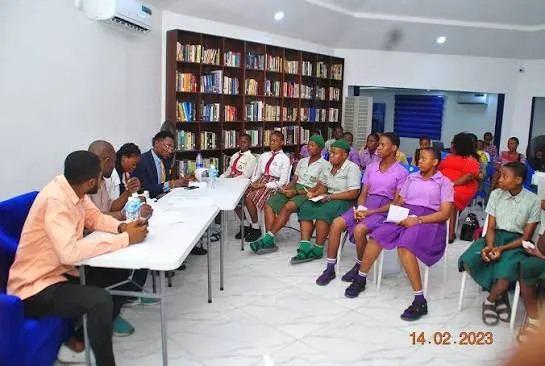
AKURE — Education stakeholders in Akure reviewed curriculum plans as schools adjusted to the disruption caused by the COVID-19 outbreak and the measures introduced to limit its spread. The situation placed new pressure on schools, teachers, students and parents as normal classroom activities were interrupted and education authorities considered how best to manage the academic calendar. Stakeholders said curriculum planning needed to take account of the changing circumstances and ensure that students were not unnecessarily disadvantaged by the disruption. They maintained that schools would need practical guidance on how to manage academic work during the period and how to prepare for the eventual resumption of normal classroom activities. The review also highlighted concerns about differences in students' access to learning materials outside school. While some families could provide books, smartphones or internet access, others had limited resources. Education stakeholders therefore urged authorities to consider approaches that would allow students from different backgrounds to remain engaged with their studies. Teachers were expected to play an important role in maintaining contact with students and providing academic guidance. Stakeholders called for teachers to receive clear instructions on curriculum priorities and on the materials that students should study during the disruption. They said a coordinated approach would help prevent confusion among parents and learners. Parents also wanted clarity about how the interruption would affect examinations, academic progression and the school calendar. Stakeholders said education authorities needed to communicate developments promptly as the situation evolved, particularly because families were making decisions based on official guidance. The emerging crisis also raised questions about how schools would handle the curriculum when normal teaching eventually resumed. Education stakeholders said schools might need to review lesson schedules and identify areas where students required additional instruction after the disruption. They urged authorities to prepare for this possibility rather than waiting until schools reopened. The situation highlighted the importance of flexibility in education planning. Stakeholders said curriculum arrangements designed for normal classroom conditions might need to be adjusted when schools faced prolonged interruptions. They encouraged education officials and school administrators to consider practical alternatives while maintaining the quality of instruction. Education stakeholders also called for attention to vulnerable learners who could be affected more severely by the disruption. They said students from low-income households and communities with limited access to educational resources could require additional support when academic activities resumed. The COVID-19 outbreak was beginning to create significant challenges for education systems across Nigeria, making preparedness and communication increasingly important. In Akure, stakeholders said the immediate priority was to protect students and teachers while ensuring that the interruption did not result in permanent learning losses. They urged education authorities to continue reviewing the situation and make further adjustments where necessary. As attention shifted towards implementation, stakeholders maintained that curriculum plans needed to translate into practical guidance for teachers, students and parents. They said effective coordination, clear communication and preparation for the eventual return to classrooms would be essential to keeping students on track during the uncertain period.
Akure Reviews Curriculum Plans as Schools Adapt to COVID-19 Disruption
2,167
Views