


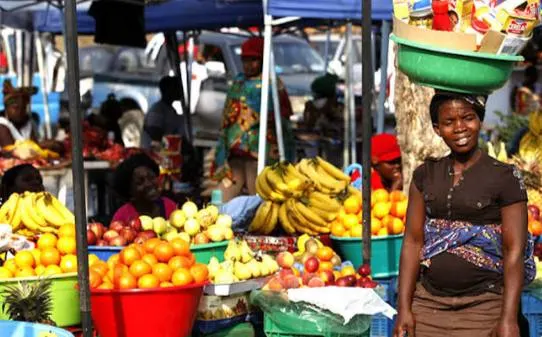
Nigeria experienced a notable increase in inflation during the middle of 2020 as rising food prices, supply chain disruptions and broader economic pressures combined to drive up the cost of essential goods across the country. The higher prices affected household purchasing power, placing additional financial strain on families already facing the economic consequences of the COVID-19 pandemic. Market analysts attributed the upward trend to several factors, including logistical challenges associated with movement restrictions, exchange rate pressures, increased transportation costs and reduced agricultural output in some farming communities. They noted that disruptions to food production and distribution contributed to shortages of key commodities, leading to higher prices in markets nationwide. In response, the Central Bank and other economic policymakers closely monitored inflationary developments while introducing measures aimed at improving food supply chains, supporting agricultural production and maintaining overall macroeconomic stability. Government officials emphasized the importance of boosting domestic food production, strengthening storage and distribution infrastructure and encouraging investment in agriculture to reduce dependence on imports and improve food security. Economists argued that addressing inflation would require coordinated fiscal and monetary policies alongside sustained efforts to increase productivity in critical sectors of the economy. They also stressed that long-term price stability depends on improving infrastructure, reducing production costs and creating a more resilient supply chain capable of withstanding future disruptions. Stakeholders expressed hope that ongoing interventions would gradually ease inflationary pressures and restore greater stability to Nigeria's economy.
Rising Food Prices Push Nigeria's Inflation Rate Higher
12,351
Views