


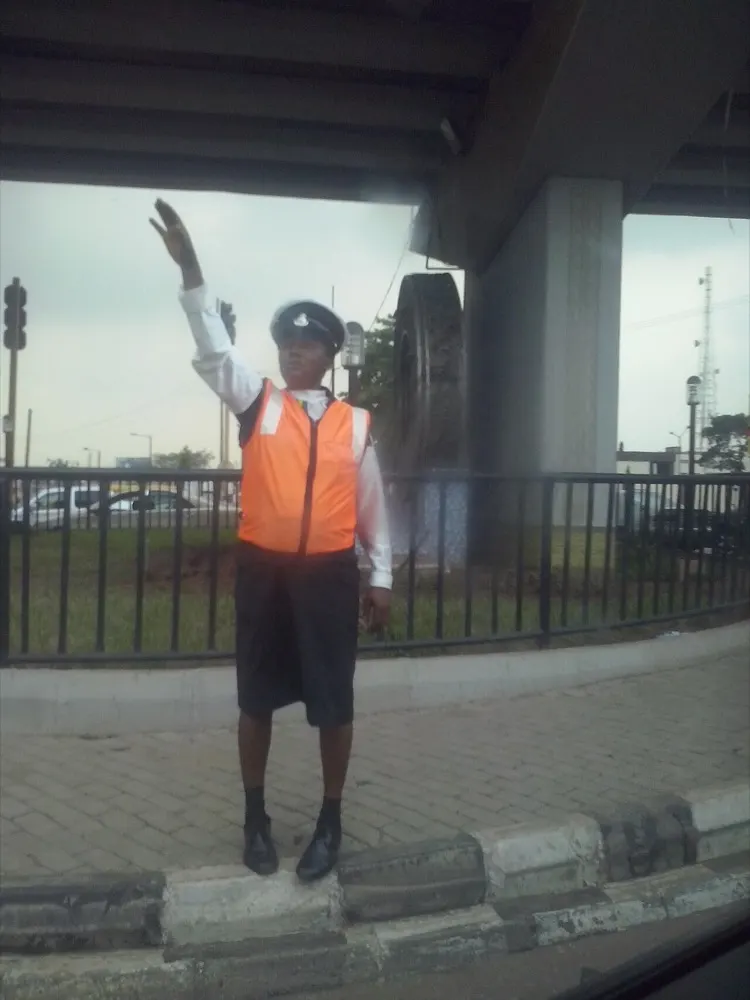
LAGOS — Efforts to reduce traffic congestion in Lagos remained a major concern as authorities and transport stakeholders continued to examine measures aimed at improving movement across the state. The renewed attention came amid persistent challenges on major roads, where heavy traffic regularly affected commuters, commercial activities and the movement of goods. Lagos, one of Nigeria's largest commercial centres, depends heavily on its road network for daily economic activity. Thousands of residents travel across the metropolis each day for work, business, education and other activities, making traffic congestion a significant issue for households and businesses. Stakeholders maintained that effective traffic management required sustained enforcement as well as improvements to roads and public transportation. They called for greater coordination among traffic management agencies, transport operators and local authorities to ensure that measures introduced to ease congestion produced visible results. Residents also urged authorities to address the causes of recurring congestion rather than relying only on temporary interventions. They pointed to the high volume of vehicles on major routes, roadside trading, illegal parking and inadequate traffic control in some areas as factors that could contribute to delays. Stakeholders said better planning and enforcement could help improve traffic flow and reduce the amount of time commuters spent on the road. Transport operators similarly called for measures that would take account of the needs of commercial drivers and passengers. They maintained that clearer traffic rules and consistent enforcement would help operators understand their responsibilities and reduce confusion on busy routes. The issue also highlighted the importance of public transportation in reducing pressure on Lagos roads. Stakeholders argued that reliable and efficient public transport could encourage more residents to leave private vehicles at home, thereby reducing the number of vehicles competing for limited road space. They urged authorities to continue investing in transportation infrastructure while improving existing services. Traffic management agencies were also expected to maintain enforcement against violations that could obstruct the movement of vehicles. Stakeholders said enforcement needed to be consistent and accompanied by public education so that motorists understood the reasons behind restrictions and complied with them. Residents called for greater attention to roads connecting residential areas with major commercial centres, saying congestion on such routes had a direct effect on their daily lives. They maintained that prolonged delays increased transportation costs, reduced productivity and placed additional pressure on families. The renewed focus on traffic management reflected the continuing challenge of balancing Lagos's growing population and economic activity with the capacity of its transport infrastructure. Stakeholders said practical solutions would require cooperation between government agencies, transport operators, businesses and residents. As authorities continued to review traffic measures, residents and transport stakeholders looked towards stronger implementation and sustained monitoring. They said effective traffic management should ultimately lead to shorter travel times, smoother movement and a more efficient transportation system across Lagos.
Lagos Tightens Traffic Measures as Authorities Seek Practical Results
7,614
Views